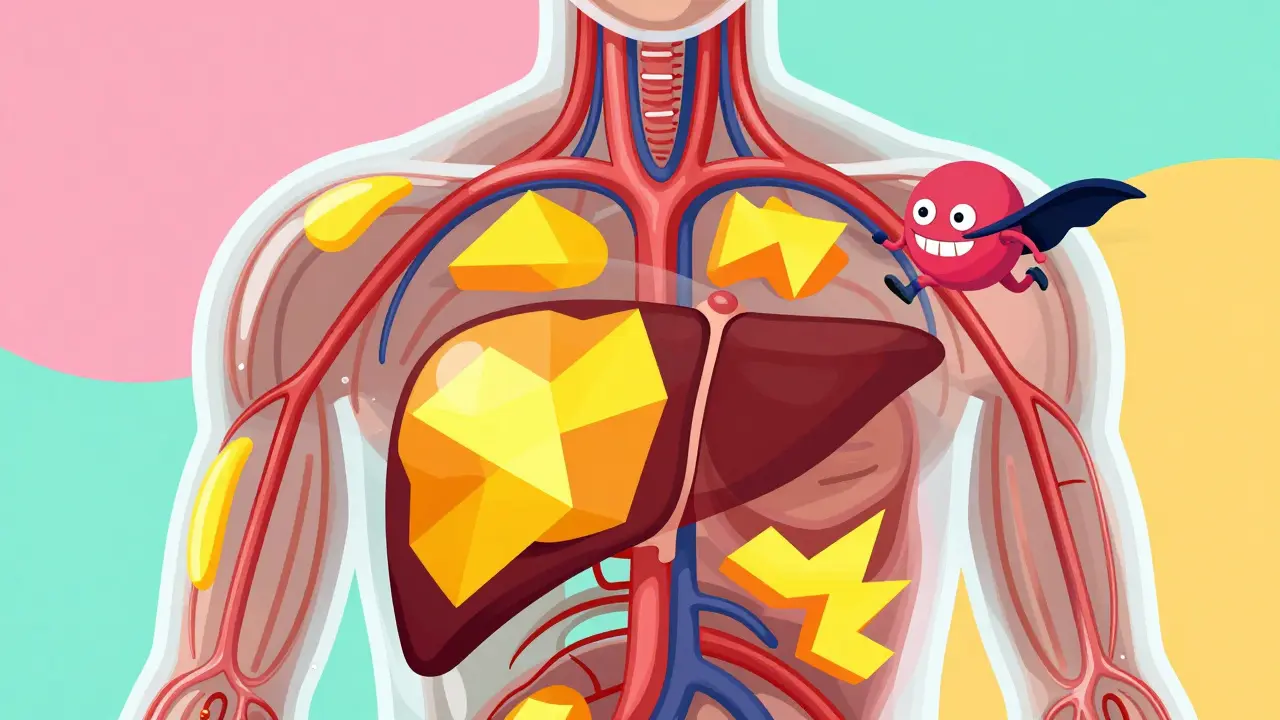
High cholesterol isn’t something you feel. No pain, no warning signs, no sudden dizziness. That’s why it’s so dangerous. By the time you notice something’s wrong-chest pain, shortness of breath, a heart attack-it’s often too late. Hypercholesterolemia, the medical term for high cholesterol, quietly builds up inside your arteries for years, silently narrowing them until they can’t supply enough blood to your heart or brain. It’s not a fluke. It’s not just about eating too much butter. It’s a complex condition shaped by genes, lifestyle, and timing-and understanding it could save your life.
What Exactly Is Hypercholesterolemia?
Cholesterol is a waxy substance your body needs to build cells, make hormones, and digest food. But when too much of it-especially the bad kind-circulates in your blood, it sticks to artery walls. Over time, this forms plaque. Hard, fatty deposits that stiffen and narrow your arteries. That’s atherosclerosis. And it’s the leading cause of heart attacks and strokes worldwide.
Not all cholesterol is the same. There are two main types:
- LDL (low-density lipoprotein) - the "bad" cholesterol. It carries cholesterol from your liver to your arteries. Too much = plaque buildup.
- HDL (high-density lipoprotein) - the "good" cholesterol. It pulls excess cholesterol out of your arteries and back to your liver.
The numbers matter. According to the American Heart Association, a total cholesterol level above 200 mg/dL is considered elevated. But the real red flag is LDL. Levels above 190 mg/dL are classified as severe hypercholesterolemia. And if you have other risk factors-like high blood pressure, smoking, or diabetes-even lower LDL levels can be dangerous.
Familial Hypercholesterolemia: It’s in Your Genes
Not everyone with high cholesterol got there from burgers and fries. About 1 in 250 people have a genetic condition called familial hypercholesterolemia (FH). This isn’t rare. That’s more than 20 million people worldwide. And most don’t even know they have it.
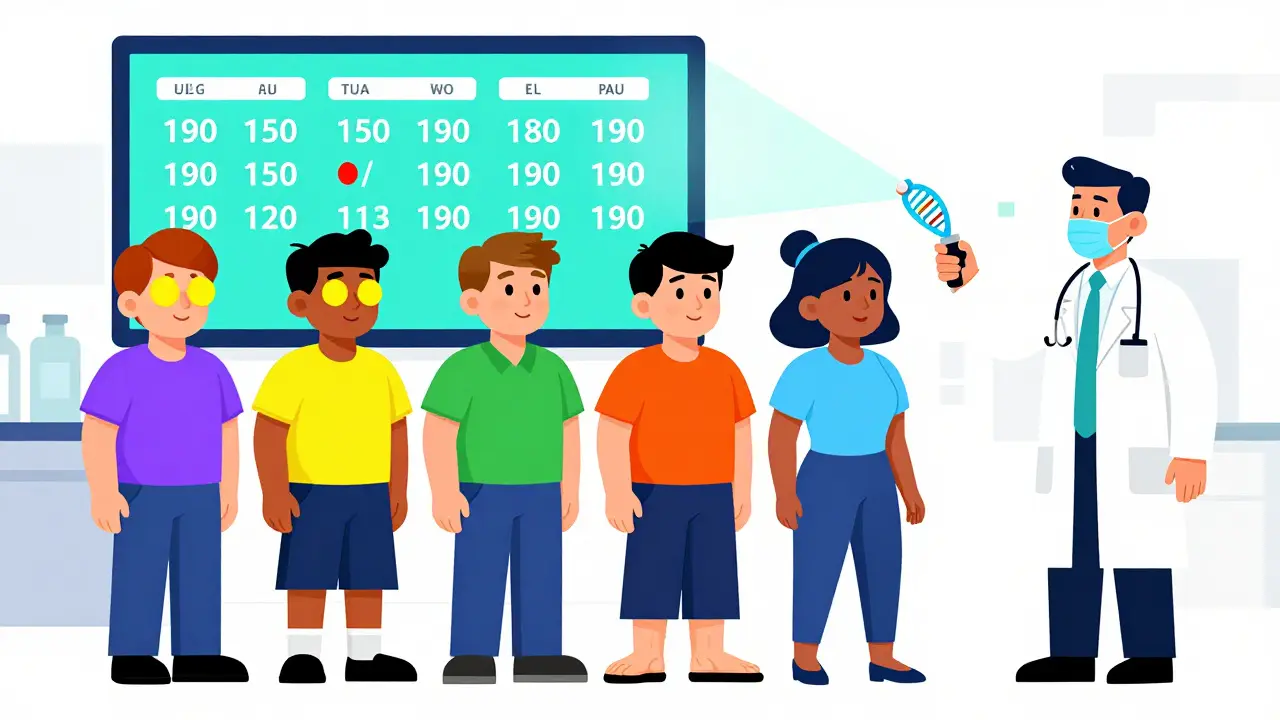
FH means your body can’t remove LDL from your blood properly. It’s usually caused by a mutation in the LDLR gene, which controls how your liver clears cholesterol. People with FH start life with high LDL levels-sometimes over 250 mg/dL as kids. By their 30s, many already have visible signs: yellowish lumps around the eyes (xanthelasmas) or thickened tendons in the heels and knuckles (tendon xanthomas).
Without treatment, heterozygous FH (one faulty gene copy) increases heart attack risk 20 times before age 40. Homozygous FH (two faulty copies) is even worse-LDL levels can hit 500 mg/dL or higher. These patients often suffer heart attacks in their teens or 20s. It’s not a myth. It’s documented in medical records from hospitals across the U.S., Europe, and Australia.
Acquired Hypercholesterolemia: Lifestyle and Other Conditions
Most cases of high cholesterol aren’t genetic. They’re caused by things you can change-or conditions you can treat.
- Diet: Saturated fats (found in red meat, full-fat dairy, fried foods) and trans fats (in processed snacks and baked goods) raise LDL. A 2020 study in JAMA Cardiology showed that following the Portfolio Diet-rich in oats, nuts, plant sterols, and soy protein-could lower LDL by 10-15% without medication.
- Obesity: Carrying extra weight, especially around the waist, lowers HDL and raises triglycerides, another fat in your blood that worsens heart risk.
- Diabetes: Nearly 7 out of 10 people with type 2 diabetes have abnormal cholesterol levels. High blood sugar damages blood vessels and changes how your body processes fats.
- Hypothyroidism: An underactive thyroid slows your metabolism and causes cholesterol to build up. One in five people with high cholesterol have this treatable condition.
- Medications: Some diuretics, beta-blockers, and steroids can raise LDL. If you’re on these and your cholesterol jumped, talk to your doctor.
Here’s the catch: You might have a mix of both. Someone with FH might also eat poorly and gain weight. That combo makes things worse. That’s why just blaming diet misses the bigger picture.
How Is It Diagnosed?
You can’t guess high cholesterol. You can’t feel it. You need a blood test.
A lipid panel measures:
- Total cholesterol
- LDL (calculated or directly measured)
- HDL
- Triglycerides
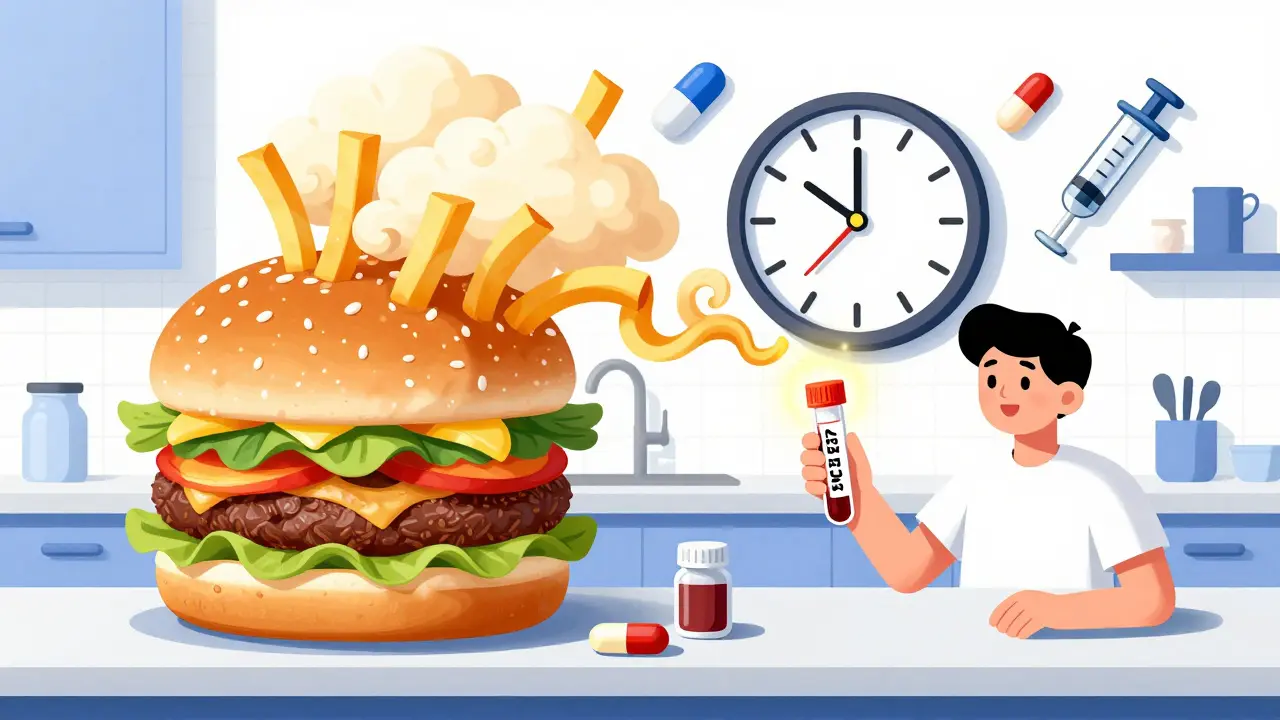
Good news: You don’t need to fast anymore. The U.S. Preventive Services Task Force updated its guidelines in 2022. Non-fasting tests are now standard. That makes checking easier-no more skipping breakfast or waiting hours for a doctor’s appointment.
Who should get tested?
- All adults aged 40-75
- Anyone with a family history of early heart disease
- People with diabetes, high blood pressure, or obesity
- Those with physical signs like xanthomas or a history of early heart attack in close relatives
If your LDL is above 190 mg/dL, your doctor should suspect FH-even if you’re young. That’s not a coincidence. That’s a red flag.
Treatment: It’s Not Just About Statins
There’s a common myth: "If I eat right, I won’t need meds." For some, that’s true. For others, especially those with FH, it’s not enough.
Here’s how treatment typically works:
- Lifestyle changes: Start with diet, exercise, and quitting smoking. Give it 6-12 weeks. If LDL doesn’t drop enough, move to meds.
- Statins: These are the first-line drugs. Atorvastatin and rosuvastatin can cut LDL by 50% or more. The IMPROVE-IT trial showed that lowering LDL with statins reduces heart attacks and strokes by 20% over five years.
- Ezetimibe: If statins alone aren’t enough-or if you can’t tolerate them-this pill blocks cholesterol absorption in the gut. It lowers LDL by about 18%.
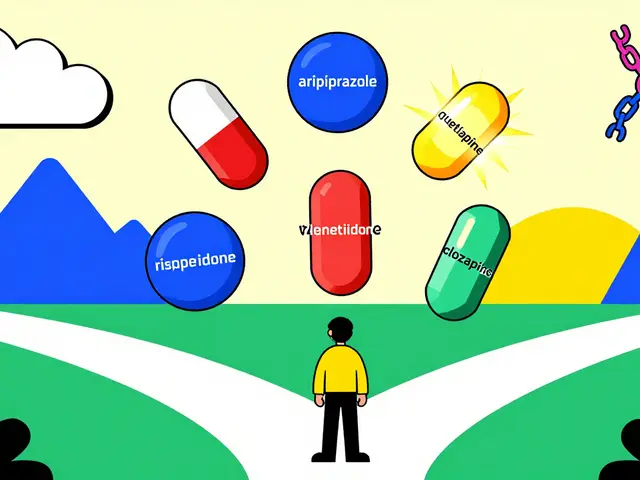
- PCSK9 inhibitors: These are injectable drugs (alirocumab, evolocumab) that help your liver remove more LDL. They lower LDL by 50-60% on top of statins. Used mostly in FH or people with very high risk.
- Inclisiran (Leqvio): Approved in 2021, this is a game-changer. It’s an RNA-based therapy given just twice a year. It lowers LDL by 50% and improves adherence. For people who forget pills, this is huge.
FH patients often need triple therapy: a high-dose statin + ezetimibe + a PCSK9 inhibitor. It’s not extreme. It’s necessary.
Why So Many People Don’t Get Treated
Here’s the ugly truth: Even though we have effective treatments, most people with high cholesterol aren’t getting them.
According to CDC data, 94 million U.S. adults have total cholesterol above 200 mg/dL. But only about half are on statins. Among Black adults, the rate drops to 42%. Women are less likely to be prescribed statins than men-even when they have the same risk profile.
Why?
- Adherence: Only 50% of people taking statins stick with them after a year. Side effects (like muscle pain) are often to blame-but many cases are misdiagnosed. A 2021 JAMA Internal Medicine review found that 90% of people who think they’re statin-intolerant can actually tolerate a lower dose or different statin.
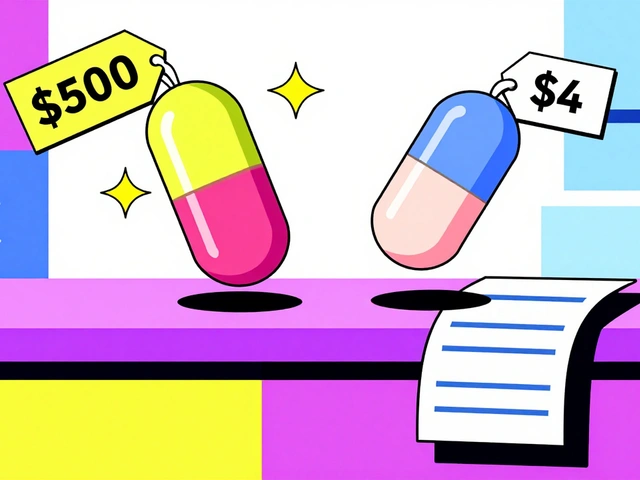
- Cost: PCSK9 inhibitors can cost over $14,000 a year. Insurance often blocks them unless you’ve tried everything else. That delays treatment.
- Myths: "Cholesterol isn’t caused by food." "Statins are dangerous." "I’m young, so I don’t need to worry." These ideas cost lives.
And here’s the kicker: The economic cost of untreated high cholesterol is $218 billion a year in the U.S. alone. That’s $142 billion in medical bills and $76 billion in lost work and productivity. We’re paying for this silence.
The Future: Personalized Medicine and Prevention
The next big shift is moving from one-size-fits-all to personalized care.
Researchers now use polygenic risk scores to identify people with "polygenic hypercholesterolemia"-those who didn’t inherit one big gene mutation, but dozens of small ones that add up. These people often have LDL levels in the 180-200 mg/dL range. They’re not "high risk" by old standards. But they are. And they need early intervention.
Also, the 2022 International FH Foundation updated diagnostic criteria to 94% accuracy. That means doctors can now spot FH earlier-even in kids. Early diagnosis means early treatment. And early treatment can prevent heart attacks before they happen.
But prevention starts long before diagnosis. The American Heart Association’s 2030 goal is to improve cardiovascular health across the population. That means better food policies, less saturated fat in school meals, more access to healthy groceries, and better screening in primary care.
What You Can Do Today
You don’t need to overhaul your life. You need to take one step.
- If you’re over 40: Ask your doctor for a lipid panel. Don’t wait for symptoms.
- If you have a family history of early heart disease: Get tested in your 20s or 30s. Don’t assume you’re fine.
- If you’re on statins and feel muscle pain: Talk to your doctor. Switching statins or lowering the dose often helps.
- If you’re young and healthy: Eat more vegetables, nuts, beans, and oats. Cut out fried foods and sugary drinks. It’s not about perfection-it’s about consistency.
High cholesterol doesn’t care if you’re rich, young, or fit. It doesn’t care if you exercise or meditate. It only cares about the numbers in your blood. And right now, millions of people are ignoring those numbers-until it’s too late.
You don’t have to be scared. But you do have to act.
Patrick Jackson
March 6, 2026 AT 04:51Man. I just got my lipid panel back. LDL at 210. No symptoms. No chest pain. Just... quiet. And now I’m sitting here thinking about how my dad died at 48 from a "random" heart attack. Turns out he never got tested. I’m getting tested tomorrow. And I’m telling my sister. And my cousins. This isn’t just a number. It’s a ghost in the family tree. 🫠
Adebayo Muhammad
March 8, 2026 AT 03:47So let me get this straight: You’re telling me that cholesterol-this waxy substance that’s essential for cell membranes, steroid hormones, and bile acid synthesis-is now being vilified as some kind of villain? That’s like blaming water for drowning. The real issue is systemic inflammation, insulin resistance, and the industrial food complex. Statins? They’re just Band-Aids on a bullet wound. And don’t get me started on the pharmaceutical-industrial complex…
Pranay Roy
March 9, 2026 AT 02:41Did you know the FDA approved PCSK9 inhibitors after a trial funded by Amgen? And that the same company owns the patent on the RNA tech used in Inclisiran? Meanwhile, your local clinic is pushing statins because they’re cheap and insurance pays for them. But here’s the kicker: A 2023 study in The Lancet showed that 78% of people with FH who took statins alone still had plaque progression. They’re not curing it. They’re managing the symptoms while the system profits. You’re being played. Always.
Joe Prism
March 9, 2026 AT 03:14My grandma had FH. Tendon xanthomas on her knuckles. She didn’t die of a heart attack. She died because she stopped taking her meds. Said they made her feel "numb."
Turns out, she was depressed. Not from the statins. From loneliness.
So we got her a dog. And a weekly Zoom call with her grandkids.
She lived to 82.
Medicine saves lives.
Love keeps them alive.
Bridget Verwey
March 10, 2026 AT 17:41Oh honey. You’re telling me cholesterol is silent? Sweetheart. So is your therapist. So is your landlord. So is your ex who ghosted you after 3 years.
Just because you can’t feel it doesn’t mean it’s not eating you alive.
Get tested. Talk to your doctor. Eat a damn avocado. You’re not too busy for your heart.
Love you. Now go.
Andrew Poulin
March 12, 2026 AT 12:08Statins work. Period. Stop overcomplicating it.
You want to live longer? Take the pill.
You want to live longer? Eat less fried chicken.
You want to live longer? Stop scrolling and get your blood tested.
Everything else is noise.
Weston Potgieter
March 14, 2026 AT 03:28Look I’ve been to 3 doctors about this and they all gave me different advice. One said vegan. One said keto. One said just take ezetimibe and chill.
Meanwhile my cousin swears by turmeric and coconut oil and he runs marathons.
So now I’m just eating cheeseburgers and watching YouTube videos about "cholesterol myths."
Who even knows anymore?
Maybe it’s all a scam.
Or maybe I’m just lazy.
Either way I’m not getting blood drawn again.
Vikas Verma
March 15, 2026 AT 16:55Based on current clinical guidelines and meta-analyses from the ACC/AHA 2022 update, primary prevention through lifestyle modification remains foundational. However, in high-risk populations such as those with polygenic risk scores exceeding the 90th percentile or confirmed FH, early pharmacotherapy with high-intensity statins in combination with ezetimibe is strongly recommended. Delay in initiation beyond age 30 significantly increases long-term cardiovascular event rates. Adherence protocols must be structured with digital health interventions. Consult your primary care provider for personalized risk stratification.
Sean Callahan
March 17, 2026 AT 11:28so i just read this whole thing and i think i might have fh but i dont wanna know because what if i do and then i have to take pills and i hate pills and also my mom says cholesterol is fake and its all about sugar and i dont even know if i believe her anymore im just gonna go eat a donut and cry
Ferdinand Aton
March 18, 2026 AT 23:34Wait wait wait. You said "high cholesterol doesn’t care if you’re rich, young, or fit."
What about people who eat nothing but kale, run 50 miles a week, and meditate daily? Their LDL is still high?
Then maybe… it’s not the cholesterol?
Maybe the test is wrong?
Or maybe… we’ve been lied to?