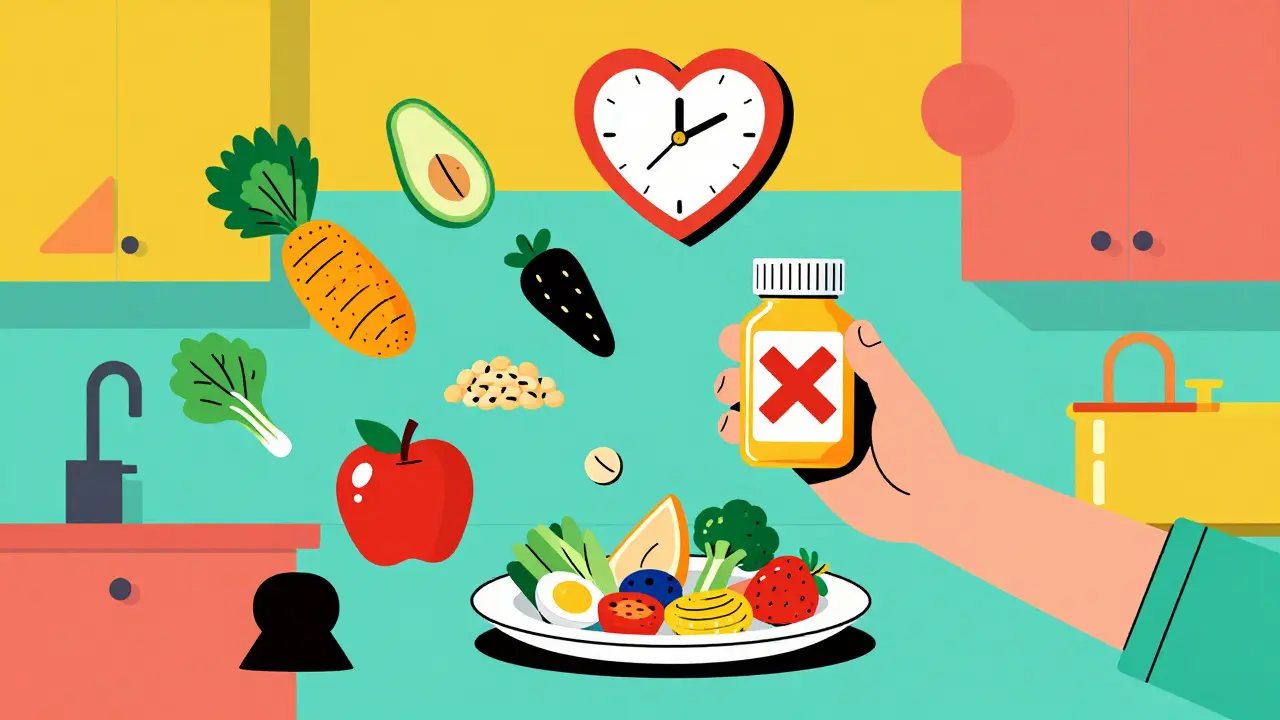
Every year, over a million people in the U.S. end up in the emergency room because of problems with their medications. Many of these cases aren’t caused by bad prescriptions or pharmacy errors-they’re the result of habits that make drugs less safe, or even unnecessary. The good news? You don’t need to rely on pills alone. Simple, everyday lifestyle changes can dramatically lower your risk of side effects, hospital visits, and even reduce the number of medications you take-with your doctor’s approval.
Why Lifestyle Changes Work Better Than You Think
Medications treat symptoms, but lifestyle changes fix the root causes. Take high blood pressure, for example. A pill might bring your numbers down, but if you’re still eating 3,500 mg of sodium a day, drinking alcohol daily, and sitting most of the day, your body is still under stress. That’s why many people end up on multiple drugs-each one trying to undo the damage from poor habits. Research from the Journal of the American Geriatrics Society shows that taking five or more medications triples your risk of dangerous side effects. This is called polypharmacy, and it’s one of the biggest hidden dangers in modern medicine. The good news? A 2023 analysis of 3.4 million people found that people who made just a few key lifestyle changes reduced their need for medications by 25% to 50% for conditions like high blood pressure, diabetes, and high cholesterol.Move More-Even a Little
You don’t need to run marathons. Just walking briskly for 30 minutes, three days a week, can lower your blood pressure as effectively as some medications. Why? Because it makes your heart stronger. A stronger heart doesn’t have to work as hard to pump blood, so pressure in your arteries drops. The American Heart Association recommends 150 minutes of moderate exercise each week-that’s 30 minutes, five days a week. But even starting with three days helps. People who began walking daily saw their systolic blood pressure drop by 8 to 12 points within three months. One Reddit user, ‘HypertensionWarrior,’ cut their blood pressure from 150/95 to 125/80 in six months just by walking and reducing salt. Their doctor was able to take them off one pill. Strength training matters too. Two days a week of lifting weights or using resistance bands improves insulin sensitivity, which helps people with type 2 diabetes need less medication. You don’t need a gym. Bodyweight squats, wall push-ups, and stair climbing all count.Eat Smarter, Not Harder
What you eat directly affects how well your medications work-and how many you need. For high blood pressure, the DASH diet (Dietary Approaches to Stop Hypertension) works as well as a single blood pressure pill. It’s simple: more vegetables, fruits, whole grains, beans, nuts, and lean protein. Less salt, sugar, and processed foods. Cutting sodium from 3,500 mg to 1,500 mg a day can drop blood pressure by 11/5 mm Hg, according to the New England Journal of Medicine. For type 2 diabetes, losing just 5-7% of your body weight through diet and movement can cut your need for medication by up to 60% if you’re prediabetic, and 40% if you already have diabetes. That’s not magic-it’s biology. Fat around your organs makes your body resistant to insulin. Lose that fat, and your body responds better to its own insulin-or to the medication you’re taking. Don’t fall for fad diets. Focus on real food. Swap white bread for sourdough. Choose berries over juice. Eat leafy greens every day. These aren’t restrictions-they’re upgrades.Watch Out for Food-Drug Interactions
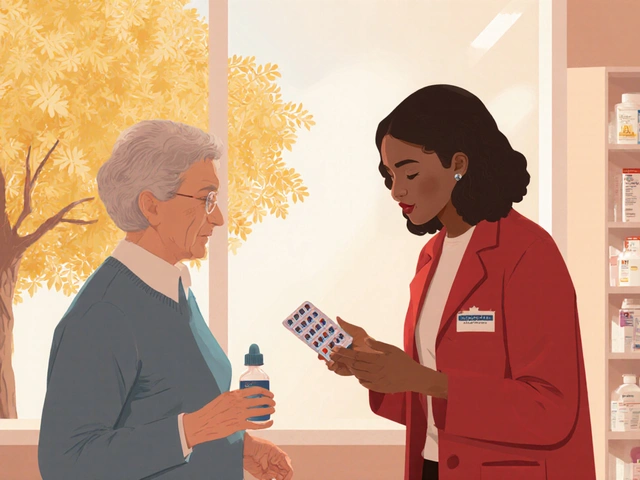
Some healthy foods can interfere with your meds. It’s not common, but it’s dangerous if you don’t know about it. Grapefruit and grapefruit juice can block how your body breaks down 85% of statins (cholesterol drugs), causing toxic levels to build up. If you’re on a statin, skip grapefruit entirely. Leafy greens like spinach, kale, and broccoli are packed with vitamin K, which helps your blood clot. But if you’re on warfarin (a blood thinner), too much vitamin K can make the drug less effective. You don’t have to stop eating them-just keep your intake steady. If you normally eat two cups a week, don’t suddenly jump to five. Dairy products like milk and yogurt can reduce how well your body absorbs certain antibiotics like tetracycline and ciprofloxacin. Take these meds at least two hours before or after eating dairy. Always ask your pharmacist: “Are there any foods I should avoid with my meds?” They’re trained to catch these interactions. Don’t assume your doctor knows every detail-pharmacists are the medication experts.Sleep Like Your Life Depends on It-Because It Does
You’re not just tired. You’re at risk. Sleeping less than seven hours a night is linked to higher blood pressure, insulin resistance, weight gain, and inflammation-all things that make your medications work less effectively. A 2023 study found that people with chronic sleep deprivation were 30% more likely to need additional medications for conditions they already had. Fixing sleep doesn’t mean buying expensive gadgets. It means consistency: go to bed and wake up at the same time every day-even on weekends. Keep your room cool and dark. No screens for an hour before bed. If you’re lying awake for more than 20 minutes, get up, read under dim light, and come back when you’re sleepy. People who improved their sleep quality saw better blood sugar control, lower stress hormones, and fewer headaches-all things that reduce the need for extra pills.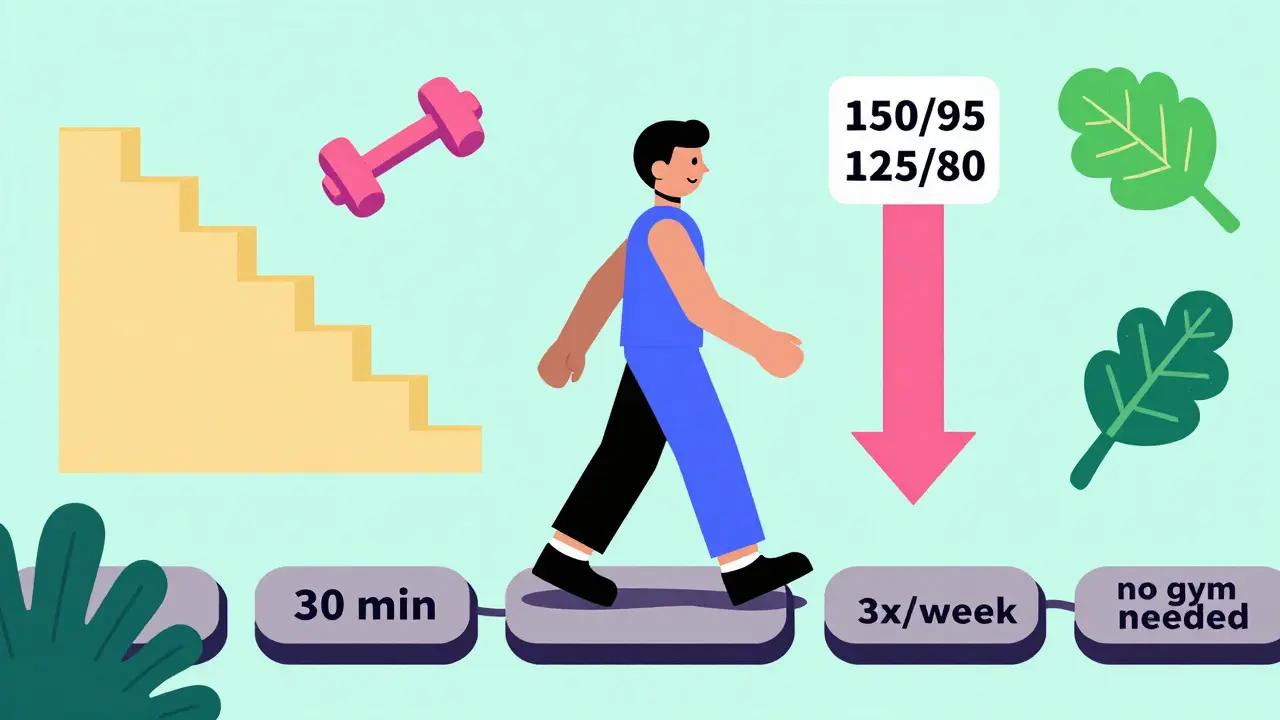
Quit Smoking, Cut Back on Alcohol
Smoking raises your heart rate and blood pressure, damages your blood vessels, and makes your body less responsive to heart and diabetes meds. Quitting doesn’t just lower your risk of a heart attack-it makes your current medications work better. Alcohol is trickier. A glass of wine with dinner might seem harmless, but it can spike blood pressure, interfere with liver metabolism of drugs, and worsen depression or anxiety-conditions often treated with medication. The guidelines are clear: no more than two drinks a day for men, one for women. But if you’re on certain meds-like antidepressants, painkillers, or sedatives-even one drink can be risky.Stress Isn’t Just ‘In Your Head’-It’s in Your Blood Pressure
Chronic stress keeps your body in fight-or-flight mode. That means higher cortisol, higher blood pressure, and higher blood sugar. All of this forces your body to rely more on meds. Simple stress-reduction techniques can help. Try 10 minutes of deep breathing each morning. Walk outside without your phone. Practice mindfulness apps like Insight Timer or Calm. Yoga-even once a week-lowers cortisol and improves heart rate variability. One study from the University of California found that people who practiced daily meditation for eight weeks lowered their systolic blood pressure by an average of 10 points-without changing their meds.Don’t Stop Your Meds-Work With Your Doctor
This is critical: lifestyle changes are meant to work with your medications, not replace them. Dr. Rob Shmerling from Harvard Medical School says it plainly: “Medications should be in addition to lifestyle changes, not instead of.” If you start feeling better after changing your habits, don’t decide on your own to cut or stop a pill. That’s how people end up in the hospital. Instead, track your progress-write down your blood pressure readings, fasting glucose levels, weight, and how you feel. Bring this to your doctor after 3-6 months. They can then safely adjust your meds based on real data. Many clinics now have lifestyle medicine programs. Ask if yours does. Some Medicare Advantage plans even cover them now.What to Expect-And What Not To
Lifestyle changes take time. You won’t see results overnight. Blood pressure might drop in 2-4 weeks. Blood sugar improvements often take 6-12 weeks. Weight loss? That’s a 3-6 month game. Don’t get discouraged if you slip up. One bad meal doesn’t undo progress. One missed workout doesn’t break your momentum. What matters is consistency over months, not perfection in days. Also, don’t believe everything you read online. Many blogs promise miracle cures. Stick to trusted sources: the American Heart Association, the American College of Lifestyle Medicine, or your pharmacist.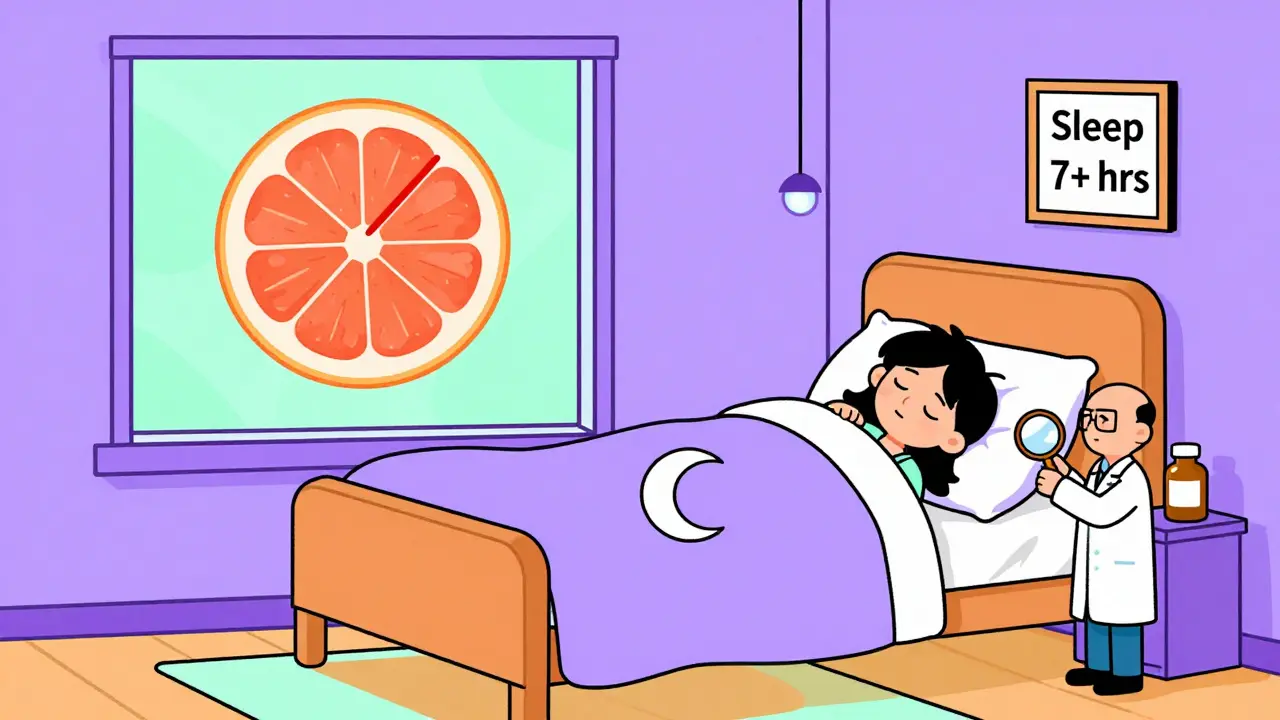
Real People, Real Results
On Reddit, ‘DiabetesJourney’ struggled with the social isolation of eating differently. They felt left out at family dinners. But after joining a local diabetes support group, they found recipes, accountability, and friends. Their A1C dropped from 8.2 to 6.4 in eight months-and they cut their insulin dose in half. Another person, ‘HeartHealth2026,’ started with just 10-minute walks after dinner. Six months later, they were hiking on weekends. Their cholesterol meds were reduced. Their doctor said, “You didn’t just change your habits-you changed your life.”Where to Start Today
You don’t need to overhaul everything at once. Pick one thing:- Swap one sugary drink for water every day.
- Take a 15-minute walk after lunch.
- Write down your medications and ask your pharmacist about food interactions.
- Set a bedtime alarm to turn off screens an hour before sleep.
- Remove one processed snack from your pantry.
Frequently Asked Questions
Can lifestyle changes really replace my medications?
No-lifestyle changes should be added to your medications, not used instead. They help your body respond better to the drugs you’re taking, and over time, they may allow your doctor to lower your doses. But never stop or change your meds without talking to your healthcare provider. Abruptly stopping pills like blood pressure or diabetes meds can be dangerous.
How long does it take to see results from lifestyle changes?
It varies. Blood pressure can drop in 2-4 weeks with diet and exercise. Blood sugar improvements often show up after 6-12 weeks. Weight loss and improved cholesterol take longer-usually 3-6 months. The key is consistency. People who stick with changes for six months or more are the ones who see the biggest drops in medication needs.
What foods should I avoid if I’m on blood pressure or cholesterol meds?
Avoid grapefruit and grapefruit juice if you’re on statins-it can cause dangerous drug buildup. If you’re on warfarin, keep your intake of leafy greens like spinach and kale consistent-don’t suddenly eat a lot more or less. Also, avoid large amounts of licorice, which can raise blood pressure. Always check with your pharmacist about your specific meds.
Is it safe to start exercising if I’m on heart medication?
Yes-most people on heart meds can and should exercise. Start slow: a 10-minute walk, three times a week. If you have chest pain, dizziness, or extreme shortness of breath during activity, stop and call your doctor. Many cardiac rehab programs are designed for people on heart meds and can help you build up safely.
Can I reduce my meds if I lose weight?
Yes, especially for type 2 diabetes, high blood pressure, and high cholesterol. Losing 5-10% of your body weight can lead to significant reductions in medication needs. One study found that people with type 2 diabetes who lost 10% of their weight cut their insulin dose by 40-60%. Always work with your doctor to adjust doses safely as you lose weight.
Do I need to join a program to make these changes?
No-you can start on your own. But programs led by certified lifestyle medicine practitioners can double your success rate. They offer personalized plans, tracking tools, and support. Some Medicare Advantage plans now cover these programs. Ask your doctor if one is available near you.
Next Steps
If you’re on one or more medications, here’s what to do next:- Write down every medication you take-name, dose, and why you take it.
- Call your pharmacist and ask: “Are there any foods or drinks I should avoid with these meds?”
- Choose one lifestyle change to start this week-walking, cutting salt, or going to bed 30 minutes earlier.
- Track your progress for 30 days: write down your sleep, what you ate, how much you moved, and how you felt.
- Bring your notes to your doctor in 6-8 weeks and ask: “Could my meds be adjusted based on these changes?”

Melissa Melville
January 31, 2026 AT 22:38Deep Rank
February 1, 2026 AT 13:10Naomi Walsh
February 3, 2026 AT 11:54Bob Cohen
February 3, 2026 AT 23:16Aditya Gupta
February 5, 2026 AT 12:44Jaden Green
February 7, 2026 AT 10:44Angel Fitzpatrick
February 9, 2026 AT 00:30Donna Macaranas
February 10, 2026 AT 12:50Rachel Liew
February 10, 2026 AT 17:22Lisa Rodriguez
February 12, 2026 AT 06:39Lilliana Lowe
February 13, 2026 AT 16:29vivian papadatu
February 15, 2026 AT 16:09