Addison’s disease, also known as primary adrenal insufficiency, is a rare but serious condition where your adrenal glands fail to produce enough vital hormones. Specifically, your body stops making adequate amounts of cortisol and aldosterone. Without these hormones, your body struggles to handle stress, regulate blood pressure, and balance electrolytes. It is not just fatigue; it is a life-threatening endocrine disorder that requires lifelong management.
You might feel constantly tired, weak, or dizzy for years before getting the right diagnosis. In fact, many people wait an average of three years to get answers. But once you understand what is happening in your body, you can take control. This guide breaks down exactly how Addison’s disease works, how doctors diagnose it, and how steroid replacement therapy keeps you safe and healthy.
What Is Happening Inside Your Body?
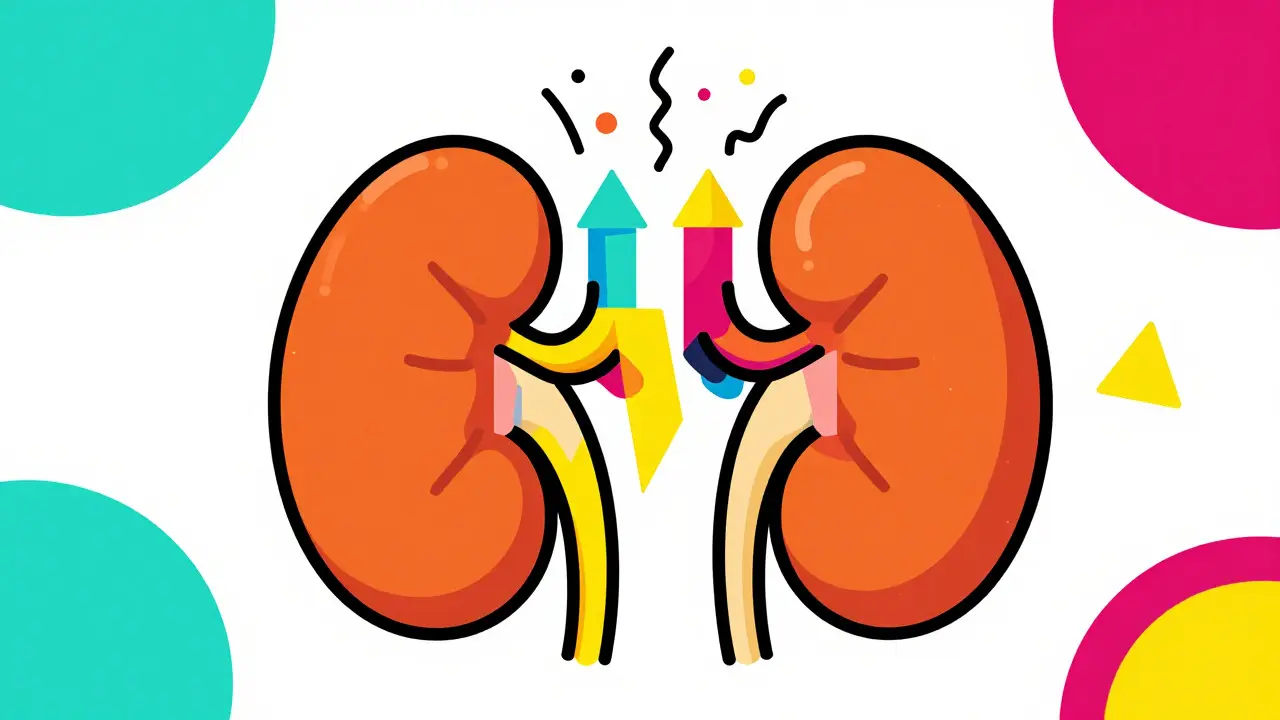
To understand Addison’s disease, you need to look at your adrenal glands. These small, triangle-shaped organs sit on top of your kidneys. They are your body’s emergency response system. When you are stressed, sick, or injured, they release cortisol (the stress hormone) and aldosterone (which helps keep salt and water levels balanced).
In most cases today-about 80-90% in developed countries-the cause is autoimmune. This means your immune system mistakenly attacks and destroys the outer layer of your adrenal glands. It takes time. You usually don’t feel symptoms until about 90% of your adrenal function is gone. Historically, tuberculosis was the main cause, but better public health has changed that landscape significantly.
There is a difference between primary and secondary adrenal insufficiency. Primary (Addison’s disease) means the problem is in the adrenal glands themselves. Secondary means the pituitary gland isn’t sending the signal (ACTH) to tell the adrenals to work. The key distinction? In primary Addison’s, you lack both cortisol and aldosterone. In secondary, you usually only lack cortisol because aldosterone production relies on a different system (renin-angiotensin) that stays intact.
Recognizing the Signs: More Than Just Fatigue
The symptoms of Addison’s disease creep up slowly. That is why it is often called the "great imitator." You might blame them on aging, stress, or a virus. But there are specific clues that point directly to adrenal failure.
- Hyperpigmentation: This is a hallmark sign of primary Addison’s. High levels of ACTH (the hormone trying to stimulate your adrenals) can darken your skin. Look for dark patches on elbows, knees, knuckles, or even inside your mouth. You won’t see this in secondary adrenal insufficiency.
- Electrolyte Imbalances: Low aldosterone leads to low sodium (hyponatremia) and high potassium (hyperkalemia). This causes dizziness when standing up, extreme thirst, and muscle weakness.
- Gastrointestinal Issues: Nausea, vomiting, diarrhea, and loss of appetite are common. Many patients lose weight unintentionally.
- Chronic Fatigue: This isn’t normal tiredness. It is a deep, bone-weary exhaustion that sleep doesn’t fix.
If you have type 1 diabetes or thyroid disease, be extra vigilant. About 50% of people with Addison’s disease develop another autoimmune condition. This cluster is sometimes called Autoimmune Polyglandular Syndrome.
How Doctors Diagnose Adrenal Insufficiency
Diagnosis involves blood tests and a specific stimulation test. If your doctor suspects Addison’s, they will likely order the following:
- Blood Cortisol and ACTH Levels: In Addison’s disease, cortisol is very low (below 5 mcg/dL), while ACTH is very high (above 50 pg/mL). Your brain is screaming at your adrenals to work, but they aren’t listening.
- Electrolyte Panel: Checking for low sodium and high potassium confirms mineralocorticoid deficiency.
- The ACTH Stimulation Test (Cosyntropin Test): This is the gold standard. Doctors inject synthetic ACTH into your vein. A healthy adrenal gland should spike its cortisol production within 30-60 minutes. If your cortisol stays below 18 mcg/dL, it confirms adrenal insufficiency.
- Antibody Testing: Tests for 21-hydroxylase antibodies confirm if the cause is autoimmune. This test has over 95% sensitivity.
| Feature | Primary (Addison’s) | Secondary |
|---|---|---|
| Cause | Adrenal gland destruction | Pituitary gland issue |
| Cortisol Level | Low | Low |
| Aldosterone Level | Low | Normal |
| Skin Pigmentation | Darkened (Hyperpigmentation) | Normal |
| Treatment Needed | Glucocorticoid + Mineralocorticoid | Glucocorticoid only |
Steroid Replacement Therapy: Replacing What You Lost
Since your body can’t make these hormones, you must replace them artificially. This is not optional; it is survival. The treatment involves two types of steroids:
Glucocorticoids (Cortisol Replacement): Most people take hydrocortisone. It mimics natural cortisol closely. The typical dose is 15-25 mg per day, split into two or three doses. Why split it? Because your natural cortisol peaks in the morning and drops at night. Taking it all at once disrupts your rhythm. Newer options like Chronocort (modified-release hydrocortisone) allow for once-daily dosing with more stable levels.
Mineralocorticoids (Aldosterone Replacement): If you have primary Addison’s, you need fludrocortisone. This helps your kidneys retain sodium and excrete potassium. Doses vary widely, from 50 to 300 mcg daily. You adjust this based on your blood pressure and electrolyte levels.
Getting the dose right is tricky. Too little, and you risk an adrenal crisis. Too much, and you face long-term side effects like osteoporosis, weight gain, and increased cardiovascular risk. Studies show that over-replacement increases heart disease risk by 44%. Regular monitoring with your endocrinologist is essential.
The Danger Zone: Preventing Adrenal Crisis
An adrenal crisis is a medical emergency. It happens when your body needs more cortisol than you have available, usually during illness, injury, or surgery. Symptoms include severe vomiting, dehydration, shock, and confusion. Without immediate treatment, it can be fatal.
Here is how you stay safe:
- Know Your Sick Day Rules: At the first sign of fever, infection, or vomiting, double or triple your hydrocortisone dose immediately. Do not wait for a doctor’s call.
- Carry Emergency Injection: Keep a kit with 100mg hydrocortisone injection and syringe. If you are vomiting and can’t keep pills down, you must inject yourself or have someone else do it. Then go to the ER.
- Wear Medical Alert Jewelry: Paramedics need to know you have adrenal insufficiency before they start treating you. Standard protocols might lower your blood sugar or blood pressure further if they don’t know your history.
- Stress Dosing: For dental work or minor surgeries, you may need extra IV hydrocortisone. Discuss a plan with your doctor beforehand.
Data shows that patients who carry emergency kits and wear alert IDs have a 50% lower mortality rate from crises. It is a simple step that saves lives.
Living Well with Addison’s Disease
Life with Addison’s disease requires discipline, but it does not mean you can’t live fully. You can exercise, travel, and work. The key is preparation.
Diet and Electrolytes: Unlike some conditions, you don’t need a strict low-salt diet. In fact, you might need slightly more salt, especially in hot weather or during heavy sweating. Monitor your weight and blood pressure regularly. Sudden weight loss or drops in blood pressure are warning signs.
Mental Health: The constant worry about crisis is real. Many patients report anxiety about being sick. Joining support groups like the Addison’s Disease Self Help Group (ADSHG) can help. Sharing tips on dose adjustments during flu season or finding empathetic doctors makes a huge difference.
Regular Check-ups: See your endocrinologist every 6-12 months. They will check your electrolytes, blood count, and screen for other autoimmune issues like thyroid disease or vitamin B12 deficiency. Early detection of these related conditions prevents complications.
Frequently Asked Questions
Is Addison’s disease curable?
No, Addison’s disease is currently incurable because the damage to the adrenal glands is permanent. However, it is highly manageable with lifelong steroid replacement therapy. With proper medication and lifestyle adjustments, most people live normal lifespans.
What triggers an adrenal crisis?
The most common triggers are physical stressors such as infections (flu, pneumonia), gastroenteritis (vomiting/diarrhea), surgery, severe injury, or emotional trauma. Missing doses of medication is also a major risk factor.
Can I eat anything I want with Addison’s disease?
You generally do not need a restrictive diet. However, you should maintain adequate salt intake, especially in hot climates or during exercise. Avoid excessive alcohol as it can interfere with medication absorption and increase dehydration risk.
How quickly does steroid replacement work?
Hydrocortisone acts relatively quickly, often improving energy and blood pressure within hours. Fludrocortisone may take a few days to stabilize electrolytes. During an adrenal crisis, IV hydrocortisone works within minutes to stabilize vital signs.
Do I need to adjust my medication for travel?
Yes. Always carry extra medication in your carry-on luggage. Time zone changes can affect your dosing schedule, so consult your doctor on how to adjust your morning dose when crossing multiple time zones. Keep your emergency injection kit accessible.
Why do I have dark skin patches?
This hyperpigmentation is caused by high levels of ACTH (adrenocorticotropic hormone). When your adrenal glands fail, your pituitary gland produces excess ACTH to try to stimulate them. ACTH shares a precursor with melanocyte-stimulating hormone, leading to darker skin, particularly on knuckles, elbows, and gums.
Can Addison’s disease run in families?
While most cases are sporadic, there is a genetic component. Having a first-degree relative with Addison’s disease or other autoimmune conditions slightly increases your risk. Genetic testing is available for specific forms like familial glucocorticoid deficiency.
What is the difference between hydrocortisone and prednisone?
Hydrocortisone is identical to natural cortisol and is preferred for Addison’s disease because it allows for more physiological dosing. Prednisone is stronger and lasts longer but lacks mineralocorticoid activity, meaning it doesn’t help with salt balance, requiring additional medication.