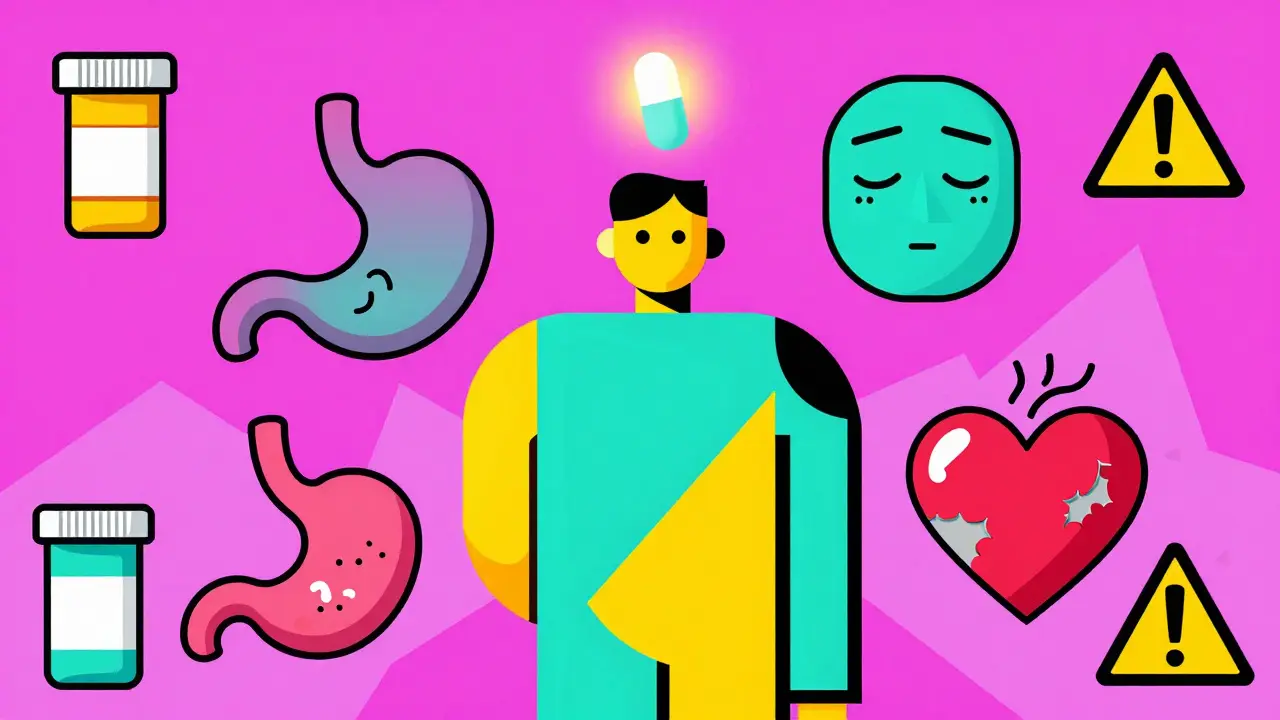
Almost everyone takes medication at some point. Whether it’s a daily pill for high blood pressure, an antibiotic for an infection, or a pain reliever after a bad back, drugs help us feel better. But they don’t come without risks. Medication side effects are more common than most people realize-and many go unreported because folks assume they’re just part of the deal.
What Are Medication Side Effects?
Side effects aren’t just annoying. They’re unintended, sometimes dangerous responses to a drug. The medical term is adverse drug reaction (ADR). These aren’t mistakes-they’re predictable outcomes of how drugs interact with your body. About 75-80% of side effects are Type A: predictable, dose-related, and tied to the drug’s main action. Think nausea from antibiotics or drowsiness from allergy pills. The other 15-20% are Type B: rare, unpredictable, and often immune-driven. These can be life-threatening, like severe rashes or allergic shock.The FDA defines a serious side effect as one that causes death, hospitalization, disability, or birth defects. In the U.S., ADRs lead to over 1.3 million emergency room visits every year. Older adults are at higher risk-nearly 17.3 out of every 1,000 people over 65 experience a side effect severe enough to need medical care. That’s more than triple the rate for people in their 40s and 50s.
Most Common Side Effects (And Why They Happen)
You’ve probably felt at least one of these:- Upset stomach or nausea
- Constipation or diarrhea
- Drowsiness or fatigue
- Headache
- Dizziness or lightheadedness
- Dry mouth
- Rash or itching
These show up because your body is processing the drug. The digestive system gets hit hard-many medications pass through the gut, irritating the lining. That’s why nausea and constipation are so common with painkillers, antidepressants, and even heart medications. Drowsiness? Often from drugs that affect brain chemicals like serotonin or histamine. Antihistamines like Benadryl block acetylcholine, which can also cause dry mouth, blurred vision, and confusion, especially in older adults.
Here’s how common side effects stack up by drug class:
| Medication Type | Most Common Side Effects |
|---|---|
| Antibiotics | Diarrhea, nausea, vomiting, yeast infections |
| Blood pressure meds (e.g., metoprolol) | Drowsiness, dizziness, swelling, upset stomach |
| Acid reflux meds (e.g., omeprazole) | Constipation, headache, nausea |
| Anxiety meds (e.g., Xanax) | Drowsiness, confusion, dizziness, increased fall risk |
| NSAIDs (e.g., naproxen) | Stomach bleeding, swelling, kidney stress |
| Chemotherapy | Fatigue, hair loss, nausea, low blood counts |
Even over-the-counter drugs carry risks. Taking too much ibuprofen can damage your kidneys. Long-term use of antihistamines like Benadryl has been linked to higher dementia risk in older adults. Just because it’s sold on a shelf doesn’t mean it’s harmless.
When a Side Effect Becomes an Emergency
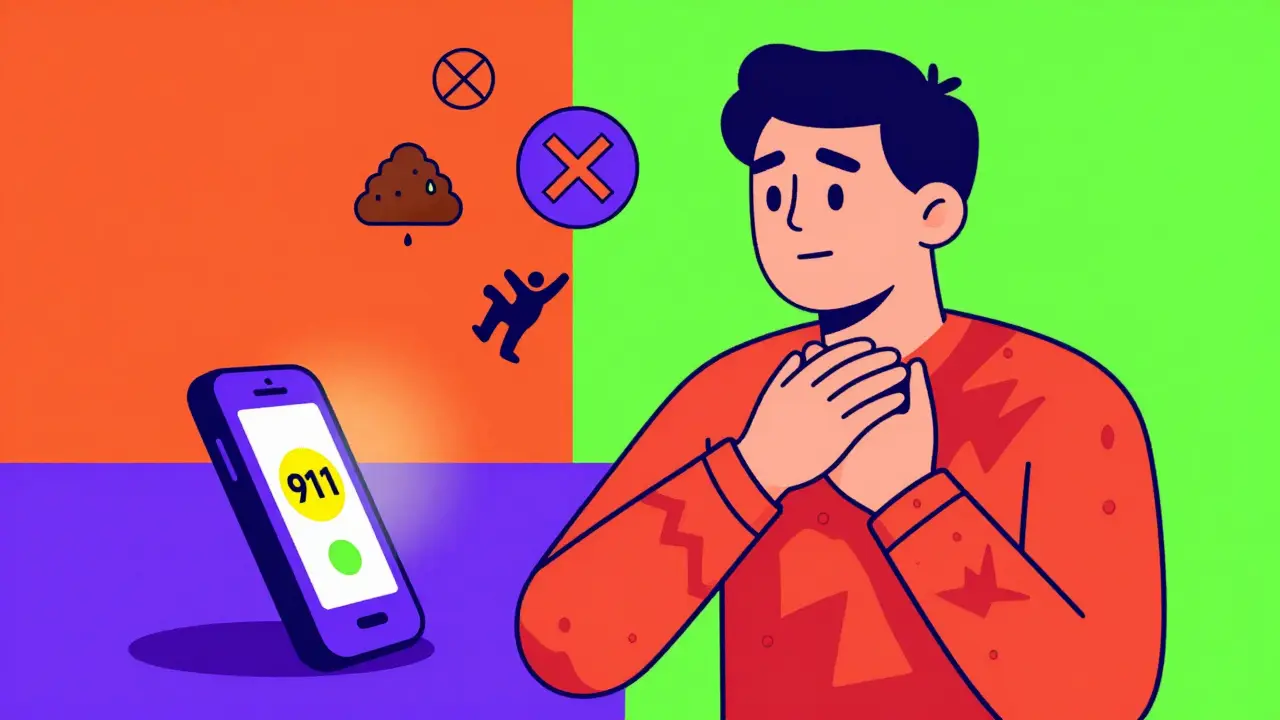
Not all side effects are mild. Some need immediate care. Here’s what to watch for:- Anaphylaxis: Sudden swelling of the throat or tongue, trouble breathing, rapid pulse, hives. This can kill within minutes.
- Stevens-Johnson Syndrome (SJS) or Toxic Epidermal Necrolysis (TEN): A painful, spreading rash that blisters and peels. Skin can detach like a severe burn. Often starts with fever and flu-like symptoms.
- DRESS syndrome: Rash, swollen lymph nodes, fever, and liver or kidney damage. Can show up weeks after starting a drug.
- Internal bleeding: Unexplained bruising, blood in stool or urine, vomiting blood, severe headaches (could mean brain bleed).
- Abnormal heart rhythms: Fluttering chest, fainting, dizziness, shortness of breath.
- Suicidal thoughts: Especially with antidepressants, mood stabilizers, or even some seizure meds.
One drug, efalizumab (Raptiva), was pulled off the market after it caused fatal brain infections. That’s why the FDA now requires black box warnings-the strongest safety alert-for drugs with known deadly risks.
Drug Interactions: The Hidden Danger
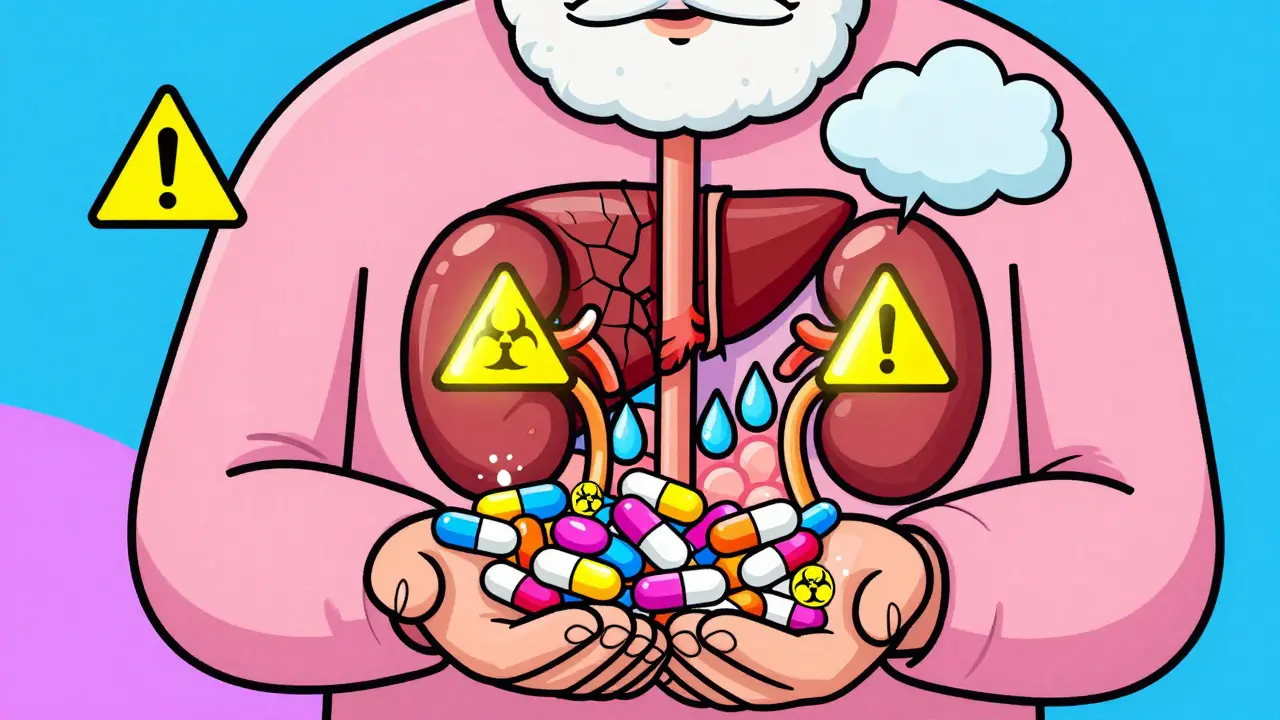
You might be taking more than one drug-or mixing meds with alcohol, grapefruit juice, or herbal supplements. That’s where things get risky.Alcohol and painkillers? A deadly combo. It can slow your breathing to a stop. Grapefruit juice? It interferes with how your liver breaks down over 85 drugs, including statins, blood pressure meds, and some anti-anxiety pills. The result? Too much drug in your blood. That can lead to muscle damage, kidney failure, or sudden drops in blood pressure.
Even common vitamins can cause trouble. St. John’s Wort, often taken for mild depression, can make birth control pills fail or reduce the effectiveness of antidepressants and blood thinners. A 2022 study found nearly half of people stop taking their meds within a year-mostly because of side effects. Gastrointestinal issues alone account for 28% of those dropouts.
Who’s at Highest Risk?
Some people are more vulnerable:- Older adults: Slower metabolism, multiple prescriptions, weaker kidneys or liver. Benzodiazepines like Xanax can trigger falls or delirium.
- People with liver or kidney disease: These organs clear drugs from your body. If they’re not working well, drugs build up.
- Pregnant women: Some drugs can harm a developing baby-even before you know you’re pregnant.
- Those on five or more medications: The risk of a bad interaction jumps sharply after three drugs. This is called polypharmacy.
That’s why older patients get more side effects-not because they’re fragile, but because their bodies process drugs differently, and they’re often on more of them.
What Should You Do When You Notice a Side Effect?
Don’t panic. But don’t ignore it either.- If it’s mild and temporary-like a headache or upset stomach for a few days-keep taking the drug and monitor it.
- If it’s persistent, worsening, or interfering with daily life (sleep, work, eating), call your doctor. Don’t wait.
- If it’s one of the serious reactions listed above, go to the ER or call emergency services immediately.
Many people think side effects are just part of the treatment. They’re not. Your doctor needs to know what you’re feeling. That’s how they adjust your dose, switch drugs, or catch something dangerous early.
How to Report Side Effects
Reporting isn’t just for doctors. You can-and should-report side effects yourself. In the U.S., the FDA runs MedWatch. In Australia, it’s the TGA’s Adverse Drug Reaction Reporting System. The UK uses the Yellow Card Scheme. These systems help regulators spot patterns. A single report might not change anything. But 50 reports of the same reaction? That’s a red flag.Here’s the catch: fewer than 5% of all side effects are ever reported. Most people never do. That means the real danger might be hidden. If you had a bad reaction, even if you think it’s “just you,” report it. You could help someone else avoid it.
What to Do Before Starting a New Medication
Be proactive:- Ask your doctor: “What are the most common side effects? What’s the worst thing I might experience?”
- Ask about interactions with your other meds, supplements, or even foods.
- Get a printed list of side effects from your pharmacist. Don’t rely on memory.
- Use trusted sources like the National Library of Medicine’s drug database to research your meds.
- Keep a simple log: what you took, when, and how you felt.
Medication safety isn’t just about taking pills correctly. It’s about knowing what your body is telling you-and speaking up when something feels off.
Are all side effects dangerous?
No. Many side effects are mild and temporary-like a headache or upset stomach. These often fade after a few days as your body adjusts. But even mild side effects should be reported if they persist or interfere with your daily life. What’s annoying to you might be a sign of something more serious, especially if you’re on multiple medications.
Can I stop my medication if I have side effects?
Never stop a prescription drug without talking to your doctor first. Stopping suddenly can be dangerous-for example, quitting blood pressure meds can cause a spike in blood pressure, and stopping antidepressants can trigger withdrawal symptoms. Your doctor might adjust your dose, switch you to a different drug, or suggest ways to manage the side effect.
Why do older adults get more side effects?
Older adults often take multiple medications, and their bodies process drugs differently. Liver and kidney function slows with age, so drugs stay in the system longer. This increases the chance of buildup and toxicity. Plus, changes in body fat and muscle mass affect how drugs are absorbed. That’s why drugs like benzodiazepines carry special warnings for seniors-they raise the risk of falls and confusion.
Can over-the-counter drugs cause serious side effects?
Absolutely. NSAIDs like ibuprofen and naproxen can cause stomach bleeding, kidney damage, or high blood pressure. Long-term use of antihistamines like Benadryl has been linked to memory problems and dementia in older adults. Even acetaminophen (Tylenol) can cause liver failure if taken in excess. Just because you don’t need a prescription doesn’t mean it’s safe to use without caution.
How do I know if a side effect is from my medication or something else?
Track your symptoms. Note when you started the drug and when the side effect began. Did it start within days or weeks? Did it get worse after increasing your dose? Talk to your doctor or pharmacist. They can compare your symptoms to known side effects of your meds. Sometimes, blood tests or stopping the drug (under supervision) can confirm the link.
Is it worth reporting a side effect if it’s not serious?
Yes. Most side effects are reported by doctors, but patient reports are just as important. The FDA and other agencies rely on these reports to spot new risks. One person’s report might seem small, but if 100 others report the same thing, it becomes a pattern. That’s how dangerous drugs get pulled from the market or get stronger safety warnings.


Nicholas Miter
January 27, 2026 AT 17:31Been on blood pressure meds for 5 years. The dizziness? Yeah, I ignored it for months. Thought it was just aging. Then I almost fell down the stairs. Turned out my dose was too high. Doctor adjusted it and I’m good now. Don’t brush off the little stuff.
Henry Jenkins
January 28, 2026 AT 07:55I get why people don’t report side effects. It feels like yelling into a void. I had a rash after starting a new antidepressant. Called my doc, they said 'it’s common, it’ll pass.' It didn’t. Took three weeks and a second opinion to get it switched. The system doesn’t listen until it’s too late. I’m not mad, just tired. We’re all just guessing what our bodies are telling us.
Aishah Bango
January 28, 2026 AT 15:47People think OTC means safe. That’s why my cousin ended up in the hospital from taking too much Tylenol for her migraines. She didn’t even know it was toxic to the liver. We need mandatory warning labels on every bottle, not just the big scary ones. This isn’t rocket science.
James Nicoll
January 30, 2026 AT 05:50So we’re supposed to trust Big Pharma’s side effect lists? Lol. They leave out the weirdest stuff. My aunt took statins and started having vivid dreams about being chased by squirrels. No one listed that. Not even in the tiny print. They’re hiding the real horror stories.
Conor Flannelly
January 30, 2026 AT 23:18My grandad’s on six meds. He forgets which is which. One day he took his blood thinner twice. Didn’t even realize until his gums were bleeding. That’s the real crisis-not the rare allergic reactions, but the chaos of polypharmacy in elderly care. We treat pills like candy and wonder why people end up in ERs.
Pharmacists are the unsung heroes here. They’re the ones catching the overlaps, the interactions, the double doses. We need more of them in primary care, not just behind counters.
And yeah, reporting matters. My mom reported a weird tingling from her diabetes med. Two months later, the FDA added it to the warning. One report turned into a national alert. You think it’s just you? It’s not.
Keep a log. Even if it’s just scribbles on a napkin. Write down time, dose, symptom. It helps. And don’t be shy about asking your pharmacist to explain it in plain English. They’re trained for that.
Also, grapefruit juice? Yeah, it’s not just a myth. My uncle took his cholesterol med with it for years. Ended up with muscle necrosis. That’s not ‘bad luck.’ That’s preventable.
Medication isn’t magic. It’s chemistry. And chemistry doesn’t care if you’re nice.
rasna saha
January 31, 2026 AT 05:56Hey, I’m a nurse in India and I see this every day. People stop meds because they get dizzy or tired. But they don’t tell anyone. Then they come back sicker. Just talk to someone. Even if it’s just a text to your cousin who’s a med student. You’re not alone in this.
Suresh Kumar Govindan
February 2, 2026 AT 02:58The systemic failure is not in pharmacology but in epistemology. The layperson lacks the hermeneutic framework to interpret physiological feedback as semiotic data. Hence, symptom attribution is conflated with existential fatigue.
Furthermore, the commodification of pharmaceuticals has reduced patient agency to transactional compliance. The physician-patient dyad has been supplanted by algorithmic prescribing.
Report your side effects. Not because it’s ‘responsible,’ but because the epistemic authority of clinical trials is inherently flawed by selection bias and industry funding.
Renia Pyles
February 2, 2026 AT 16:12Oh please. ‘Don’t stop your meds’? My therapist said SSRIs made me suicidal. Doctor told me to ‘push through.’ Guess what? I stopped. I’m alive. And now I’m not a zombie. Your ‘safe’ meds are just chemical restraints for people who don’t want to deal with real emotions.
Allie Lehto
February 4, 2026 AT 00:05I took that acid reflux med for a year. Then I started getting weird muscle cramps. Didn’t think it was the pill ‘cause it’s just for heartburn. Turns out it was. Took me 6 months to find someone who’d listen. Now I’m off it. Also, I think my dog can smell when I’m about to get dizzy. He sits right next to me. Maybe animals know more than we do.
Conor Murphy
February 5, 2026 AT 04:39My sister’s on meds for anxiety and depression. She cried telling me how the drowsiness made her miss her kid’s first steps. She didn’t want to sound ungrateful. But the side effects are part of the cost. We need better options. And we need to stop making people feel guilty for feeling bad while trying to get better.
Uche Okoro
February 6, 2026 AT 00:32Pharmacokinetic variability across ethnic populations is grossly underrepresented in clinical trials. African and South Asian metabolizers exhibit significantly altered CYP450 enzyme activity. Hence, standard dosing regimens are not universally applicable. This is not anecdotal-it is pharmacogenomic fact.
Report side effects. But also demand diversity in trial populations. Your ‘common’ side effect may be rare in your cohort but lethal in mine.
Dan Nichols
February 7, 2026 AT 01:52Everyone’s scared of side effects but nobody talks about how doctors get paid to prescribe. The pharma reps show up with free lunches and samples. You think that doesn’t influence what’s written on the script? I’ve seen it. And the side effects? They’re buried in the fine print like a trap.
Marian Gilan
February 8, 2026 AT 16:43They say side effects are ‘predictable’ but they don’t tell you the government’s been hiding the real ones since 2003. The CDC database is scrubbed. I found a leaked spreadsheet-thousands of cases of sudden memory loss linked to statins. They called it ‘age-related.’ Bullshit. They’re silencing us. And grapefruit? That’s just the tip. They banned the real warning because it would scare people from buying pills.
Kipper Pickens
February 10, 2026 AT 05:51As someone who works in clinical pharmacovigilance, I can confirm: 95% of ADRs are underreported. The MedWatch portal is a black hole. But here’s the kicker-when a pattern emerges across 50+ reports, the signal-to-noise ratio shifts. That’s how we got the black box warning on SSRIs for teens. It started with one mom in Ohio. So yes. Report. Even if it’s ‘just’ nausea. It matters.
Also, polypharmacy isn’t just about quantity-it’s about temporal overlap. Taking a new drug while tapering an old one? That’s where the real toxicity spikes. Most docs don’t track that. Patients should.
Patrick Merrell
February 11, 2026 AT 04:46