The Hidden Danger in Your Fridge
You might think your medicine cabinet is safe enough, but did you know that nearly 1.3 million emergency department visits every year in the United States are linked to adverse drug events? More worryingly, about 12% of those incidents involve food and medications clashing in ways you never expected. It’s not just about taking pills; it’s about what you eat alongside them. A Food and Medication Interaction Checklist is a personalized tool that tracks dangerous combinations between what you eat and what you take. This isn’t just another medical form; it’s a life-saving record.
Why You Need This Checklist Now
Most people keep a basic list of their prescriptions, scribbled on a pad or saved in a phone note. That’s a good start, but it misses the big picture. According to data from the American Pharmacists Association, patients who maintain comprehensive medication records see 37% fewer adverse drug events. The difference lies in specifics. A standard list tells a doctor you take Warfarin. A specialized checklist tells them you love spinach and kale for breakfast every day. These details matter because certain foods block the effects of life-saving drugs or turn harmless supplements into toxic hazards.
Consider the reality for older adults. The National Center for Health Statistics reported that 47% of Americans aged 40 and up take three or more prescription medications daily. When you mix multiple drugs with complex diets, the risk multiplies. Without a clear system to track interactions, small dietary choices can lead to hospital visits. The goal here is proactive safety, not waiting for a bad reaction to happen.
Building Your Core Framework
To get started, you need a solid structure. You aren’t just listing drugs; you are mapping relationships. Each entry in your Metric Details Required Example Medication Name Brand and Generic names Coumadin (Warfarin) Dosage & Schedule Amount and exact time taken 5mg once daily at 8 AM Purpose Condition being treated Prevention of blood clots Prescriber Doctor or Clinic contact info Dr. Chen, Cardiology Associates Interaction Risks Specific foods or drinks to avoid or separate Avoid high Vitamin K intake spikes Risk Level High, Moderate, or Low High Risk
This framework ensures you capture the “why” behind every restriction. If you write down “No Grapefruit,” ask yourself why. Is it because of your statin medication? Specifying the mechanism helps when talking to different doctors who might not know your full history. Keep your list updated with a “last reviewed” date, as outdated information causes 68% of medication errors according to studies on patient records.
Understanding Critical Interactions
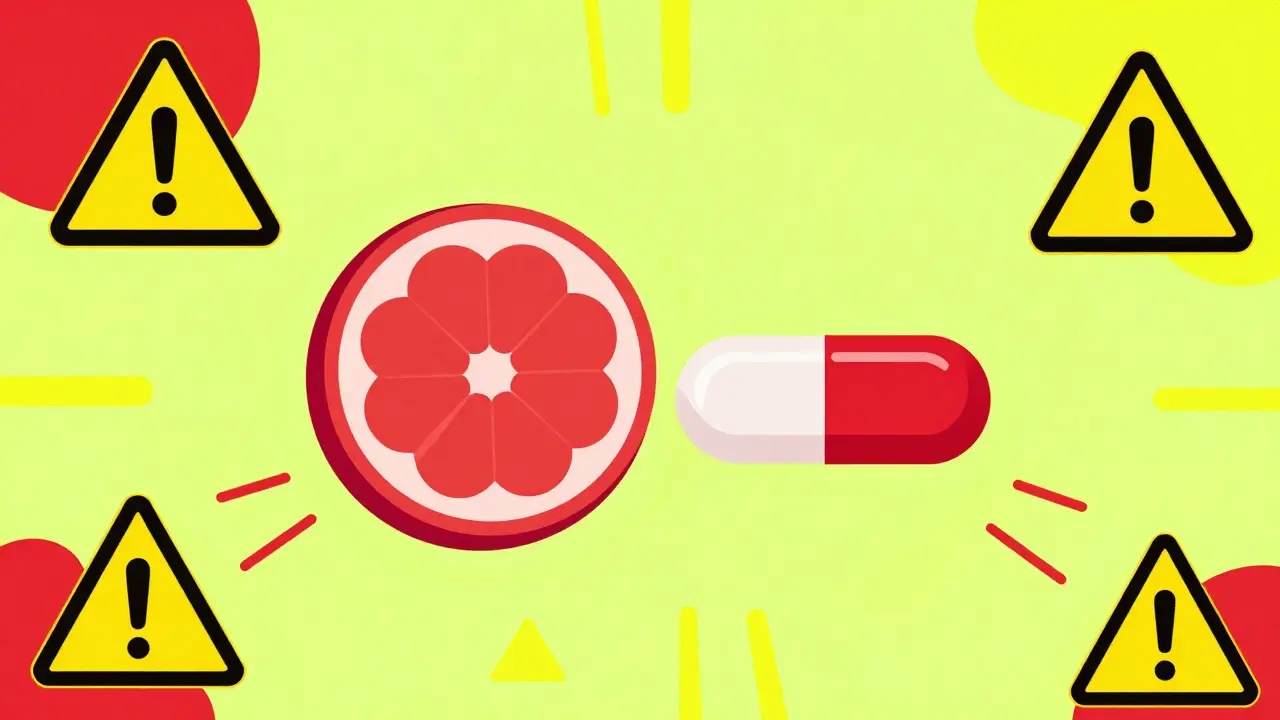
Knowing what goes where is the hardest part. Some clashes are severe. For example, Warfarin requires consistent intake of Vitamin K-rich foods like kale. Sudden spikes in leafy greens can destabilize your blood clotting numbers. Conversely, Grapefruit juice interacts dangerously with Statins. Research indicates that this juice can increase drug concentration in your body by 300% to 500%, leading to potential liver damage or muscle pain.
You also need to watch timing. Dairy products can stop antibiotics like Ciprofloxacin from working properly. Medsafe publications suggest separating these by at least two hours. Then there are MAO inhibitors, used for depression. These require completely avoiding tyramine-rich foods like aged cheeses. Mixing these can cause a hypertensive crisis where blood pressure skyrockets past 180/110 mmHg. Documenting these specifics turns your sheet from a reminder into a shield.
Paper versus Digital Tools
You have options on how you store this data. A paper-based system using something like the FDA’s “My Medicines” template is great for simplicity. It prints well and doesn’t need a battery. However, it lacks automatic updates. Digital apps like Medisafe or MyTherapy offer dynamic checking against databases. They send alerts if you buy a supplement that conflicts with your script.
| Feature | Paper-Based | Digital Apps |
|---|---|---|
| Accessibility | No tech required, works offline | Requires smartphone or tablet |
| Updates | Manual changes needed | Automatic database sync |
| Cost | Free printable templates | Often subscription-based |
| Senior Adoption | 92% usage among 75+ | Lower adoption in seniors |
| Error Reduction | Moderate impact | 42% fewer errors in trials |
If you have five or more drugs, a digital solution might handle the complexity better. A 2024 University of Michigan study found digital tools managed regimens with 78% fewer errors. But if you live in a rural area or struggle with technology, a laminated card on your fridge often saves lives during emergencies when phones die.
Step-by-Step Implementation Plan
Here is how you set this up without getting overwhelmed:
- Gather Everything: Put all prescription bottles, vitamins, and herbs in one pile. Include over-the-counter medicines like ibuprofen. Don’t forget supplements; they count as medications in safety terms.
- Document Details: Use the 12-point framework mentioned earlier. Be precise. Instead of “some greens,” write “one cup cooked spinach.” Preparation matters because raw vegetables affect Vitamin K levels differently than cooked ones.
- Research Interactions: Cross-check your list against authoritative guides. You can use the New Zealand Formulary interaction checker or consult your pharmacist directly. Don’t rely on random internet forums.
- Set Alerts: Whether digital or paper, set a calendar reminder to update your list every month. Link this task to when you refill your prescriptions.
- Share Widely: Give copies to your GP, your cardiologist, and keep one near your phone. Emergency services need this fast access.
Maintaining Accuracy Over Time
A checklist is useless if it sits in a drawer gathering dust. The real power comes from regular review. Dedicate 5 to 10 minutes weekly to check for changes. Did you start a new diet? Did your doctor adjust your dose? Even small changes shift the risk profile. Studies show that reviewing these lists with pharmacists during therapy management sessions reduces errors by 65%. Many pharmacies now cover these sessions under Medicare Advantage plans, so ask if you qualify.
Also, remember to account for seasonal changes. Eating pumpkins and squash in autumn adds fiber and sugar that could affect blood glucose controls for diabetics. Keeping your food journal aligned with your medication log bridges the gap between diet and health outcomes.
Future Trends in Safety
Technology is evolving rapidly in this space. By late 2025, smart refrigerators were beginning to scan groceries against medication lists automatically. While this sounds futuristic, the core principle remains manual vigilance until then. Artificial intelligence tools are emerging to predict patterns, but regulators warn that unregulated apps can provide inaccurate data. Always verify automated warnings with a human professional. The cost of prevention is low compared to the $1,200 average savings per patient annually that effective management provides.
Frequently Asked Questions
Can I use a generic version of my medication without updating my checklist?
Generally yes, generic versions contain the same active ingredient. However, you should still note the change. Sometimes fillers in generics differ, which might slightly alter absorption. Always tell your pharmacist if your brand switches to generic to ensure consistency.
Do natural supplements count as medications for interaction purposes?
Absolutely. Herbs like St. John’s Wort can deactivate serious drugs including birth control and transplant medications. Treat any supplement you swallow as a pharmaceutical entry in your log.
How often should I update my food and medication list?
Ideally, review it monthly. Every time you leave the pharmacy with a new prescription, update your master list immediately within 24 hours to prevent accidental overlaps.
Is there a free template I can download?
Yes, organizations like the FDA offer downloadable PDFs such as the My Medicines template. Many state health departments also provide simplified versions specifically for seniors.
What should I do if I accidentally eat a restricted food?
Don’t panic. Monitor your symptoms closely and call your pharmacist or doctor. Most interactions require significant quantities to cause harm, but immediate medical advice is the safest route.
Quick Takeaways
- Create a dedicated document specifically for food and drug interactions, not just a drug list.
- Mark severity levels like High, Moderate, and Low to prioritize your attention.
- Separate dairy from antibiotics by two hours to ensure effectiveness.
- Keep a digital backup of your paper list for easy sharing with specialists.
- Review your list monthly and after every doctor visit.

Hope Azzaratta-Rubyhawk
April 1, 2026 AT 13:10This post highlights a critical oversight in modern healthcare management.
Patients must take responsibility for their own safety protocols.
The integration of dietary tracking with medication schedules is vital.
We cannot rely solely on digital systems to save us.
Human vigilance remains the most effective tool available.
Implementing this checklist immediately will prevent unnecessary hospital visits.
I urge everyone to download the templates provided here.
Do not delay taking control of your health outcomes.
simran kaur
April 3, 2026 AT 09:46Why do they push this kind of monitoring so hard?
Data collection is always the hidden goal.
Pharmaceutical companies benefit from tracking what you eat.
It feels like they want to control our diets under the guise of safety.
Privacy concerns are ignored by big institutions.
We should trust our own instincts instead of corporate apps.
This trend towards surveillance medicine is deeply troubling.
Keep your records offline where they belong.
Brian Shiroma
April 3, 2026 AT 16:45That is quite a dramatic leap to conspiracy theories.
Most people genuinely worry about accidental overdoses.
Grapefruit juice actually blocks metabolism enzymes in the liver.
Science supports the idea of checking combinations carefully.
Blaming pharma for safety advice misses the real point.
Just follow the guidelines to stay healthy.
Worrying less would probably help you sleep better.
Focus on actual risks rather than imagined ones.
Jenna Carpenter
April 5, 2026 AT 00:41Peple really dont listen to experts.
Ypu have to be smart abou this.
Doctors knows whats safe.
Dont think u can guess.
Makes me cringe when i see lazy posts.
Get ur meds right or get hurt.
Stop being complacent.
Health is priority not comfort.
Mark Zhang
April 5, 2026 AT 22:06It is important to acknowledge the effort people put into managing health.
Many individuals struggle with complex medication regimens daily.
Compassion helps reduce stress surrounding these tasks.
We should support each other in learning these new systems.
Every small step towards organization is a victory.
Patient advocacy starts with understanding barriers.
Let us encourage growth rather than blame failures.
Community support makes difficult changes easier.
Branden Prunica
April 6, 2026 AT 05:54I almost ended up in ICU because of a snack bar at work.
My legs swelled up to twice their normal size instantly.
I was terrified that my blood pressure would spike forever.
Turns out I ate aged cheese near my MAOI meds.
It was a nightmare scenario that haunted me for weeks.
The doctors told me to never let it happen again.
Now I check every label before eating anything.
You never know when a meal becomes dangerous.
I still keep the emergency card in my wallet constantly.
Goodwin Colangelo
April 8, 2026 AT 03:56That sounds incredibly intense regarding the swelling reaction.
Timing matters significantly with MAO inhibitors specifically.
Cheese contains tyramine which affects norepinephrine uptake.
Avoiding aged dairy prevents those hypertensive spikes effectively.
Your experience highlights why written logs are essential.
Always carry the list for emergency responders.
Medical staff needs accurate history quickly during crises.
Staying organized literally saves lives in situations like yours.
Rachelle Z
April 8, 2026 AT 09:28Wow!!! This is SO important!!!!
🙅♀️🥗💊🚫🍊🍷😡⚠️
Make sure you read everything!!!
Stay safe friends!!! :)
Love this tip!!! 💕
Please share with grandma!!! 👵💖
Beth LeCours
April 9, 2026 AT 04:24Too hard to read.
Ace Kalagui
April 9, 2026 AT 23:40In many parts of Asia we approach medication safety differently.
Family members often manage prescriptions for elderly relatives directly.
This shared responsibility creates a stronger safety net overall.
Western individualism might overlook communal support structures.
However the principles remain universally applicable regardless of location.
Digital solutions help bridge gaps between doctor and patient visits.
Smartphones allow instant access to warning signs anywhere.
Yet paper backups provide security when technology fails unexpectedly.
Seasonal food changes affect drug absorption rates significantly too.
Festival foods often contain hidden ingredients requiring careful review.
Cultural celebrations demand extra vigilance during holiday gatherings.
We must educate families on cross-referencing traditional remedies.
Herbal supplements interact heavily with standard prescription drugs.
Integrating old wisdom with new tech builds better habits.
Communication between providers reduces error margins substantially.
Every nation has its own unique challenges in healthcare delivery.
angel sharma
April 10, 2026 AT 02:13You can achieve great things with consistency and discipline.
The journey to perfect health requires steady effort every single day.
Small habits compound over time to create massive results eventually.
Never give up when feeling overwhelmed by the paperwork.
Each entry in your log represents progress toward wellness.
Believe in your ability to master your own biology.
Push forward with energy and focus on the positive goals ahead.
Maintain this momentum until it becomes second nature completely.
Celebrate every milestone reached along the path to safety.
Stay motivated by the knowledge that prevention is power.
Your dedication inspires others to take similar steps soon.
Togetherness drives improvement across the whole community.
Keep pushing boundaries while respecting safety limits strictly.
Lifelong learning ensures protection against future health risks.
Go beyond expectations and set a standard for excellence.
Remember that you hold the key to your own vitality.