Opioid Tolerance & Safety Estimator
Calculate your current MME dose and assess tolerance risks based on duration of use.
Patient Data
Analysis Results
Enter your details to calculate Morphine Milligram Equivalents (MME) and view safety recommendations.
Have you ever taken a painkiller that worked wonders the first time, only to find it barely touching your pain a few weeks later? You aren’t imagining things. Your body has adapted. This phenomenon is called opioid tolerance, which is a physiological state where exposure to opioids reduces their effectiveness over time, requiring higher doses for the same effect. It’s a tricky biological trap that affects millions of people managing chronic pain or recovering from addiction.
Understanding why this happens isn't just academic-it’s a matter of life and death. When tolerance builds up, patients often feel pressured to increase their dosage to get relief. But here’s the dangerous part: while your body might build tolerance to pain relief quickly, it doesn’t always build tolerance to side effects like slowed breathing at the same speed. This mismatch is a leading cause of accidental overdoses.
What Is Opioid Tolerance?
Let’s clear up some confusion right away. Many people use terms like "addiction," "dependence," and "tolerance" interchangeably, but they mean very different things in medicine.
Opioid tolerance is specifically about how your nervous system responds to the drug. According to the U.S. Food and Drug Administration (FDA), tolerance develops when exposure to a drug induces changes that result in a diminution of one or more of the drug's effects over time. If you need more pills to get the same level of comfort you had before, you have developed tolerance.
This is distinct from physical dependence, which means your body has adjusted its normal functioning around the drug. If you stop taking the medication abruptly, you’ll experience withdrawal symptoms-sweating, nausea, anxiety-but that doesn’t necessarily mean you are addicted. And it’s different from opioid use disorder (OUD), which is a complex brain disease characterized by compulsive use despite harmful consequences.
The Centers for Disease Control and Prevention (CDC) emphasizes this distinction because treating them requires different approaches. Tolerance is a natural biological response; OUD is a behavioral and neurological condition. Knowing the difference helps you talk to your doctor without shame and get the right help.
Why Do Medication Doses Increase Over Time?
You might wonder why your body decides to fight back against a medicine meant to help you. It comes down to neurobiology. When you take an opioid, it binds to specific receptors in your brain, spinal cord, and peripheral neurons. These are primarily known as mu-opioid receptors (MOR), encoded by the OPRM1 gene.
Initially, this binding triggers a release of dopamine, giving you pain relief and sometimes a sense of well-being. But your brain hates imbalance. To maintain stability (homeostasis), it starts making adjustments:
- Receptor Desensitization: The receptors become less responsive to the drug.
- Internalization: The cell pulls the receptors inside, hiding them from the drug.
- Downregulation: The body produces fewer receptors altogether.
Research published in Experimental and Therapeutic Medicine highlights that inflammatory factors like TLR4 and NLRP3 inflammasomes also play a role. Essentially, your nervous system says, "We don't need this much signal anymore," and turns down the volume. So, to hear the music again, you have to turn up the volume on the dose. That’s why doses increase over time-not because you’re weak, but because your biology is adapting.
The Danger Zone: Uneven Tolerance Development
Here is the most critical thing you need to know about tolerance: it doesn’t develop evenly across all effects of the drug. This is what makes escalating doses so risky.
You might develop significant tolerance to the euphoric high or even the pain-relieving effects within weeks. However, your tolerance to respiratory depression (slowed breathing) might lag behind. A study in the British Journal of Anaesthesia noted that analgesic tolerance often develops at a different rate than tolerance to respiratory suppression.
Imagine this scenario: You’ve been taking a certain dose for months. Your body is used to it. One day, you miss a dose or switch medications slightly. Or perhaps you just decide to take a little extra because the pain is bad today. Because your pain tolerance is high, you feel fine. But your respiratory tolerance hasn’t caught up. That extra milligram can suppress your breathing enough to cause an overdose, even though it felt "normal" to you.
This uneven development is why the FDA warns that tolerance may develop at different rates for different drug effects. It’s a silent killer because there are no obvious warning signs until it’s too late.
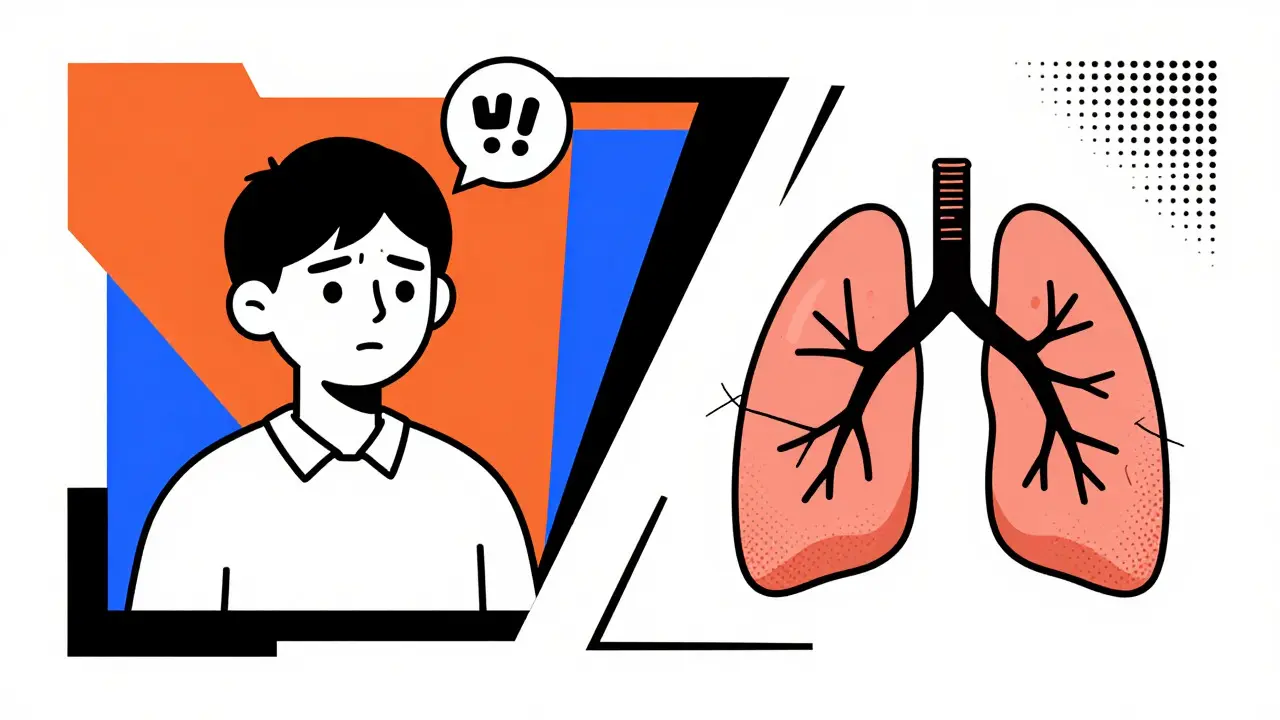
Tolerance Loss: The Hidden Risk After Breaks
If you stop taking opioids-even for a short period-your tolerance drops rapidly. This is a major factor in overdose deaths among people in recovery or those who have been incarcerated.
The Providers Clinical Support System (PCSS) points out that patients may lose their tolerance if the drug is not taken for a period of time. During rehab, incarceration, or a successful stint of abstinence, your receptors reset. They become sensitive again.
If someone returns to using the same dose they took before their break, it can be fatal. Studies show that 74% of fatal opioid overdoses among people with opioid use disorder occur within the first few weeks after release from incarceration. Why? Because they underestimated how low their tolerance had dropped.
The CDC’s current overdose prevention strategy targets this directly with the message: "Your tolerance is lower now-start with a fraction of your previous dose." It’s simple advice, but it saves lives.
| Concept | Definition | Key Indicator | Risk Level |
|---|---|---|---|
| Opioid Tolerance | Reduced response to drug effects over time | Need higher dose for same pain relief | Moderate (leads to escalation) |
| Physical Dependence | Body adjusts to drug presence | Withdrawal symptoms upon stopping | Low-Moderate (manageable with tapering) |
| Opioid Use Disorder | Compulsive use despite harm | Loss of control, social impairment | High (requires comprehensive treatment) |
Managing Tolerance Safely
So, what do you do if you feel your medication isn’t working as well as it used to? Don’t just pop another pill. Here are evidence-based strategies to manage tolerance safely.
- Consult Your Doctor Before Escalating: The CDC guideline for prescribing opioids recommends reevaluating treatment goals before increasing doses above 50 morphine milligram equivalents (MME) per day. Often, non-opioid alternatives can bridge the gap.
- Consider Opioid Rotation: Sometimes, switching to a different opioid can reset tolerance slightly due to incomplete cross-tolerance. This should only be done under strict medical supervision.
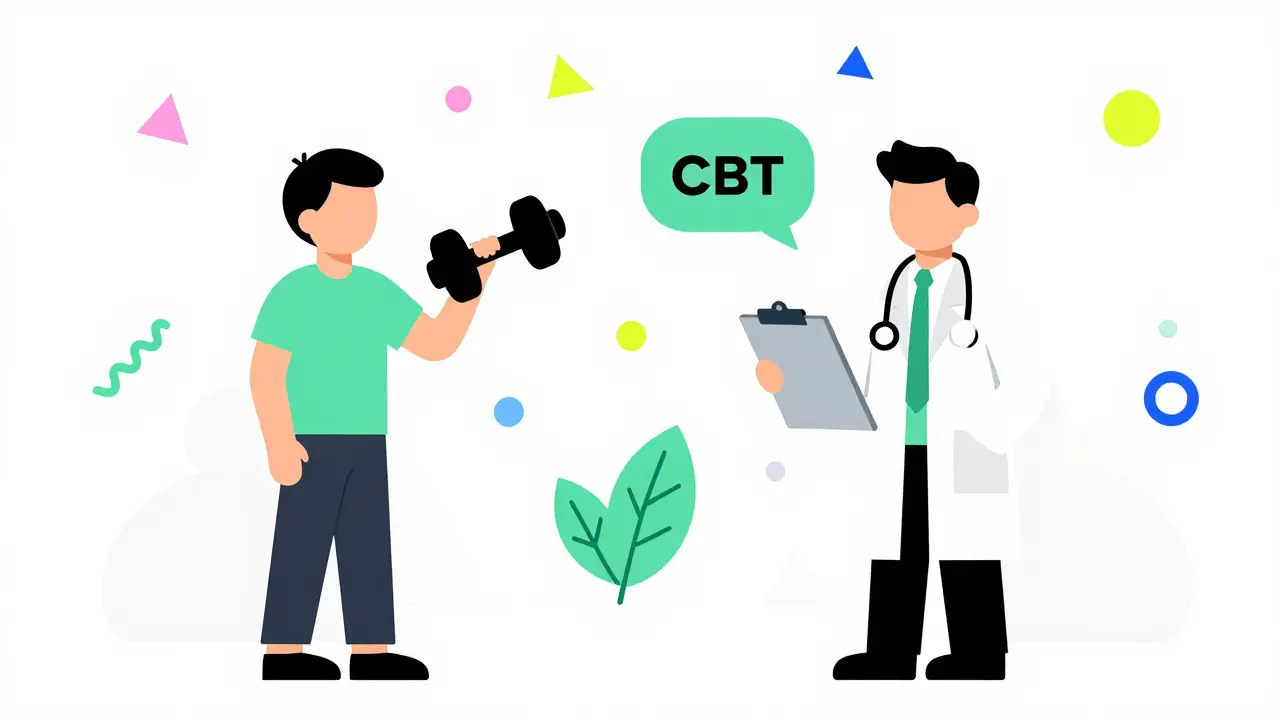
- Incorporate Non-Opioid Therapies: Physical therapy, cognitive behavioral therapy (CBT), and non-narcotic pain relievers (like NSAIDs or acetaminophen) can reduce the total opioid load your body needs to handle.
- Monitor for Side Effects: Keep a journal. Note not just pain levels, but also sleep quality, mood, and breathing. Early signs of respiratory issues can indicate dangerous tolerance mismatches.
- Never Skip Education on Abstinence: If you plan to take a break, assume your tolerance will drop. Plan accordingly with your healthcare provider.
Dr. B.J. Collett, writing in the British Journal of Anaesthesia, notes that when dose escalation yields intolerable side effects, sequential opioid rotation may be necessary. It’s a clinical tool, not a DIY fix.
The Role of Fentanyl and Illicit Drugs
Tolerance becomes exponentially more dangerous in the era of illicit fentanyl. Dr. Ciccarone, referenced in CDC materials, highlights that users with developed tolerance to prescription opioids often underestimate the potency of street drugs.
Fentanyl is 50 to 100 times more potent than morphine. Street batches vary wildly in concentration. A person tolerant to oxycodone might think they know their limit, but a single grain of fentanyl-adulterated powder can exceed that limit instantly. The DEA reports that potency can vary by 50-fold within the same batch. There is no safe "test dose" in this environment.
This is why carrying naloxone (Narcan) is crucial for anyone with opioid tolerance, whether prescribed or recreational. It’s an insurance policy against the unpredictable nature of modern drug supplies.
Future Directions: Breaking the Cycle
Science isn’t standing still. Researchers are looking for ways to prevent tolerance from developing in the first place. Current studies are investigating inhibitors for TLR4 and NLRP3 inflammasomes, which could block the inflammatory pathways that drive tolerance.
The FDA’s 2023 draft guidance encourages the development of novel opioid analgesics that maintain efficacy without significant tolerance development. Some clinical trials are testing combination therapies, such as using low-dose naltrexone alongside opioids, showing a 40-60% reduction in required dose escalation. While these treatments aren’t widely available yet, they offer hope for safer pain management in the future.
For now, awareness is your best defense. Understanding that tolerance is a biological reality, not a personal failure, empowers you to make smarter decisions about your health.
How long does it take to develop opioid tolerance?
The timeline varies significantly between individuals based on genetics, metabolism, and usage patterns. Some patients may notice diminished effects within weeks of regular use, while others maintain effectiveness at stable doses for months. Generally, tolerance to euphoria develops faster than tolerance to pain relief.
Can opioid tolerance be reversed?
Yes, tolerance can decrease during periods of abstinence. However, it returns quickly if use resumes. Complete reversal usually requires stopping the medication entirely and allowing the body to reset, which must be done under medical supervision to manage withdrawal symptoms safely.
Is tolerance the same as addiction?
No. Tolerance is a physical adaptation where you need more drug for the same effect. Addiction (Opioid Use Disorder) involves compulsive behavior and loss of control. You can have tolerance without being addicted, especially if taking opioids strictly as prescribed for pain.
What are the signs that my opioid tolerance is increasing?
Signs include needing higher doses to achieve the same pain relief, experiencing breakthrough pain more frequently, or feeling less euphoric effects. You might also find yourself thinking about your next dose more often, though this can also signal dependence or addiction.
How does fentanyl affect opioid tolerance?
Fentanyl accelerates tolerance development due to its high potency. More dangerously, users tolerant to weaker opioids may misjudge fentanyl doses, leading to rapid respiratory depression. The variability in street fentanyl potency makes dose estimation extremely risky.