Statin Interaction Risk Checker
Select your current statin and the medication you are taking to see the potential interaction risk and the metabolic reason why it happens.
Risk Analysis
Why this happens:
To understand this, we first need to define what we are talking about. Statins is a class of HMG-CoA reductase inhibitors designed to lower low-density lipoprotein cholesterol (LDL-C) and reduce cardiovascular events. While they all work by blocking the same enzyme in the liver, they differ wildly in their chemical structure and how they are metabolized.
The Engine Room: Why Some Statins Interact More Than Others
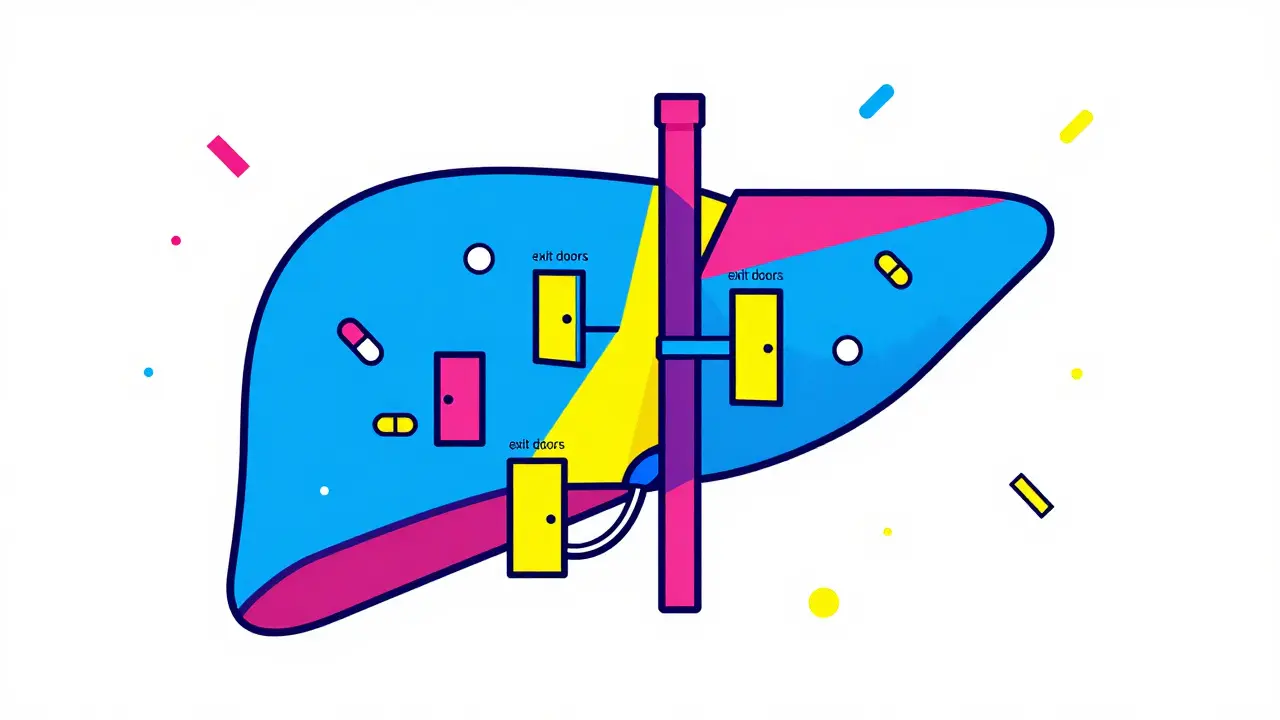
The secret to why your doctor might switch you from one statin to another lies in the Cytochrome P450 (CYP) system. Think of these as the liver's processing plants. Most statins are broken down by these enzymes, but they use different "plants" to get the job done.
Many popular statins, like Simvastatin and Lovastatin, rely heavily on the CYP3A4 enzyme. This is a problem because CYP3A4 is the most common processing plant for a huge variety of other drugs. If you take a potent CYP3A4 inhibitor-like certain antibiotics (clarithromycin) or HIV medications (ritonavir)-you essentially block the exit. The statin levels in your blood skyrocket. In some cases, clarithromycin can increase simvastatin exposure by a staggering 10-fold, which is a recipe for muscle toxicity.
On the other hand, some statins take a different route. Pravastatin and Rosuvastatin undergo minimal CYP metabolism. Because they don't rely on those specific liver enzymes to leave the body, they are far less likely to clash with the antibiotics or antifungals that trip up simvastatin.
Comparing the "Big Players": Risk Profiles
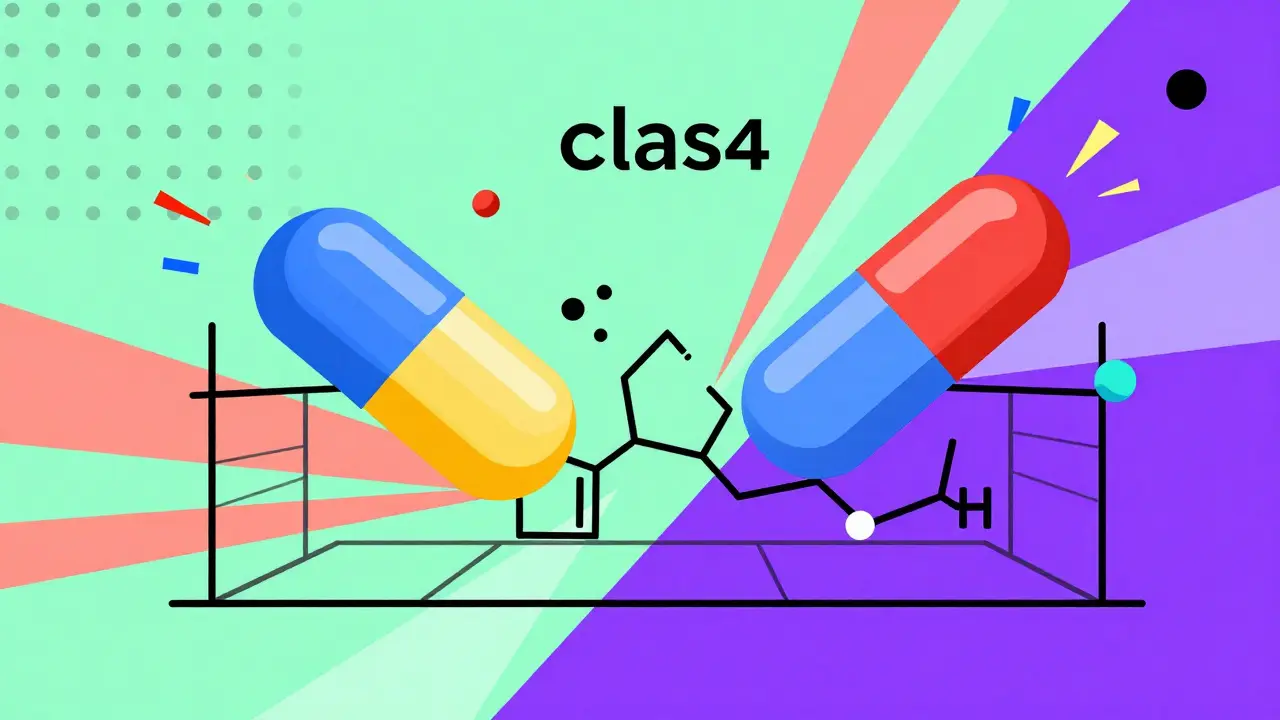
When looking at the risk of statin drug interactions, we can group these medications by their metabolic "personality." Some are lipophilic (fat-soluble), while others are hydrophilic (water-soluble), which changes how they move through your tissues.
| Statin Entity | Primary Metabolism Path | Interaction Risk | Key Red Flags |
|---|---|---|---|
| Simvastatin / Lovastatin | CYP3A4 (High) | High | Clarithromycin, Azole antifungals, Ritonavir |
| Atorvastatin | CYP3A4 (Moderate) | Moderate | Diltiazem, Verapamil |
| Rosuvastatin | CYP2C9 / OATP1B1 | Low to Moderate | Cyclosporine |
| Pravastatin | Renal / Minimal CYP | Lowest | Very few significant CYP interactions |
The Danger Zone: Myopathy and Rhabdomyolysis
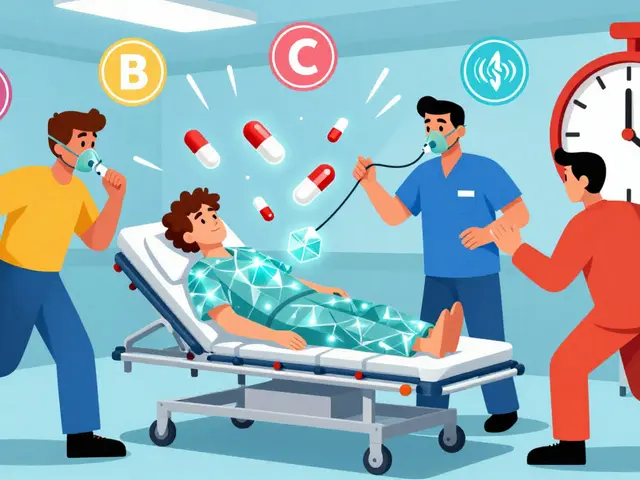
Why does a drug interaction actually matter? It's not just about "chemistry"; it's about your muscles. When statin levels become too high due to an interaction, you risk Myopathy, which is general muscle pain and weakness. In extreme cases, this progresses to Rhabdomyolysis, where muscle tissue breaks down and releases a protein called myoglobin into the blood, which can cause permanent kidney failure.
Certain combinations are so risky they are outright contraindicated. For instance, using cyclosporine (an immunosuppressant) with simvastatin or pitavastatin is generally avoided because the risk of severe muscle breakdown is too high. Interestingly, pravastatin is often the only one allowed in this scenario, provided the dose stays under 40 mg.
It's also not just about the drugs you take; it's about your DNA. Some people have a variation in the SLCO1B1 gene. This gene controls the OATP1B1 transporter-basically the gatekeeper that lets statins into the liver. If your gatekeeper is "broken" (a polymorphism), simvastatin can't get into the liver efficiently, leaving it to circulate in your blood and attack your muscles. People with this genetic trait have a 4.5-fold higher risk of myopathy.

Common Medication Clashes You Should Know
Beyond the heavy hitters, there are a few common medications that frequently bump into statins:
- Calcium Channel Blockers: Drugs like diltiazem and verapamil can increase the levels of simvastatin and lovastatin by 3 to 8 times. If you're on these for blood pressure, your doctor might cap your simvastatin dose at 40 mg.
- Fibrates: These are used to lower triglycerides. While fenofibrate is generally safe, gemfibrozil is a different story. It interferes with the way statins are cleared from the body, significantly increasing the risk of muscle pain.
- Ticagrelor: This blood thinner can increase statin exposure. For those on atorvastatin, the effect is minor, but for simvastatin users, dose limits are strictly recommended.
- Colchicine: Used for gout, it generally doesn't require a total avoid-list, but it can make you more prone to those muscle aches, meaning closer monitoring is needed.
Managing the Risk: A Practical Approach
You don't need to panic if you're on a statin and need a new prescription. The goal is management, not necessarily avoidance. Here is the typical logic clinicians use to minimize risk:
- Switch the Statin: If a patient needs a powerful CYP3A4 inhibitor (like a specific antifungal), the doctor may switch them from simvastatin to rosuvastatin or pravastatin.
- Dose Adjustment: Lowering the dose of the statin while the interacting drug is being taken.
- Temporary Suspension: Stopping the statin for a few days while taking a short course of an interacting antibiotic.
- Monitoring: Checking Creatine Kinase (CK) levels. If this enzyme spikes, it's a signal that muscle damage is occurring.
Looking forward, we are seeing a move toward pharmacogenomics. Instead of guessing which statin will work, tests can now identify if you have the SLCO1B1 mutation, allowing doctors to pick the safest drug for your specific genetic makeup from day one. There are also newer options like bempedoic acid, which doesn't follow the same metabolic pathways as traditional statins and offers a much lower interaction profile.
Which statin has the fewest drug interactions?
Pravastatin is generally considered to have the lowest overall interaction potential because it undergoes minimal metabolism by the cytochrome P450 enzyme system and is largely excreted by the kidneys.
What are the warning signs of a statin interaction?
The most common signs are unexplained muscle pain, tenderness, or weakness, often felt symmetrically in the large muscle groups (like thighs or shoulders). Dark-colored urine (tea or cola colored) is a severe red flag indicating rhabdomyolysis.
Can I take simvastatin with antibiotics?
It depends on the antibiotic. Macrolides like clarithromycin and erythromycin are potent CYP3A4 inhibitors that can dangerously increase simvastatin levels. You should always consult your pharmacist before combining these.
Is atorvastatin safer than simvastatin?
In terms of CYP3A4 interactions, atorvastatin generally has a more moderate risk profile than simvastatin, meaning it's slightly less likely to cause extreme spikes in blood concentration when paired with certain inhibitors.
Does grapefruit juice actually affect statins?
Yes, specifically for CYP3A4-metabolized statins (simvastatin, lovastatin, atorvastatin). Grapefruit juice inhibits the CYP3A4 enzyme in the gut, which can increase the amount of drug absorbed into your system, raising the risk of side effects.