CoQ10 and Statins: What You Need to Know About Benefits, Risks, and Alternatives
When you take CoQ10, a natural compound your body makes to help produce energy in cells, also known as ubiquinone, you’re supporting your mitochondria—the powerhouses inside your cells. Many people start taking CoQ10 supplements after their doctor prescribes a statin, a class of cholesterol-lowering drugs like atorvastatin or simvastatin that block an enzyme your liver uses to make cholesterol. The idea? Statins lower CoQ10 levels in your body, and that drop might be why some folks get muscle aches, fatigue, or weakness. But does replacing it actually fix the problem? The answer isn’t simple.
CoQ10 and statins are linked because statins don’t just reduce cholesterol—they also interfere with the same pathway your body uses to make CoQ10. That’s not a side effect; it’s a direct biochemical consequence. Some studies show people on statins have up to 40% less CoQ10 in their blood. But here’s the catch: just because levels drop doesn’t mean everyone feels it. Many people take statins for years with no issues. For others, muscle pain is real, persistent, and sometimes severe enough to make them quit the medication. That’s where CoQ10 supplements come in. But clinical trials are mixed. A 2015 review in the Journal of Clinical Lipidology found no strong evidence that CoQ10 prevents statin muscle pain. Yet, many patients swear by it. Why? Maybe it helps some, maybe it’s placebo, maybe it’s something else entirely.
CoQ10 isn’t the only player here. Other factors like vitamin D deficiency, thyroid issues, or even dehydration can mimic statin side effects. If you’re on a statin and feeling tired or sore, don’t assume it’s the drug or that CoQ10 is the fix. Talk to your doctor. Get your thyroid checked. Check your vitamin D. Ask about switching to a different statin—some, like pravastatin or rosuvastatin, are less likely to cause muscle issues. And if you do try CoQ10, stick with 100–200 mg daily. Don’t waste money on cheap brands with no third-party testing. Look for ubiquinol, the active form, especially if you’re over 40—your body doesn’t convert ubiquinone as well anymore.
What you’ll find in the posts below isn’t just theory. Real stories. Real data. Posts that compare CoQ10 with other supplements people use to ease statin side effects. Posts that break down which statins are hardest on muscles. Posts that explain why some doctors still recommend CoQ10 even without strong proof. And posts that show you how to tell if your symptoms are from the drug—or something else entirely. This isn’t about pushing a supplement. It’s about giving you the facts so you can decide what’s right for your body, not just your pharmacy shelf.
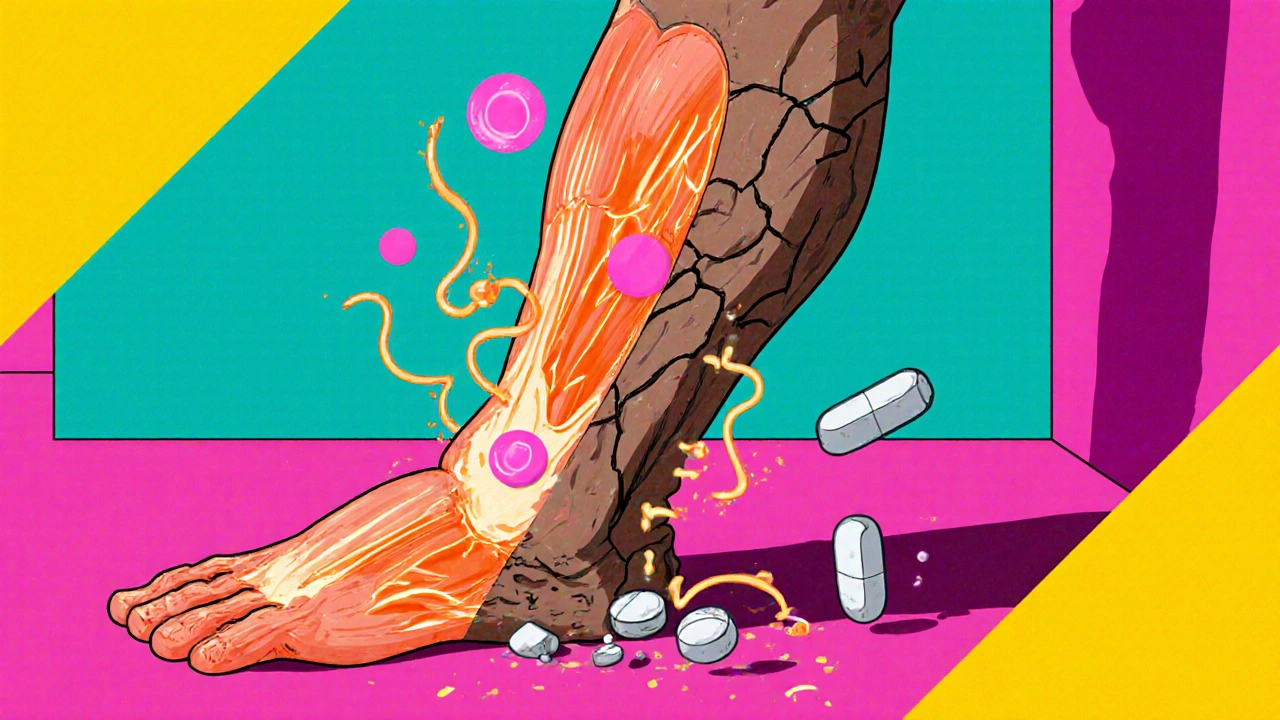
Coenzyme Q10 with Statins: Does It Help Muscle Pain?
CoQ10 may help reduce muscle pain caused by statins for some people, but evidence is mixed. Learn how it works, what dose to take, and whether it’s worth trying if you’re experiencing side effects.