Eating disorders are not a phase, a diet gone wrong, or a choice. They are serious psychiatric conditions that distort body image and drive harmful behaviors with life-threatening consequences. If you are reading this because you suspect you or someone you love is struggling, know this: recovery is possible, but it requires specific, evidence-based care-not just willpower.
The numbers are stark. Approximately 9% of the U.S. population, roughly 28.8 million people, will experience an eating disorder in their lifetime. These conditions carry a heavy toll, contributing to about 10,200 deaths annually-that’s one death every 52 minutes. Anorexia nervosa, for instance, has the highest mortality rate of any mental illness. Understanding the specific types, the medical realities, and the proven treatments is the first step toward breaking the silence and seeking help.
Understanding the Major Eating Disorders
While media often focuses on extreme thinness, eating disorders affect people of all sizes, ages, and genders. Less than 6% of people with these conditions are medically classified as underweight, which means most sufferers fly under the radar. Here is how the primary disorders differ clinically.
| Disorder | Key Characteristics | Prevalence (Lifetime) | Mortality Risk |
|---|---|---|---|
| Anorexia Nervosa | Significantly low body weight, intense fear of gaining weight, distorted body image. | ~1% of population | Highest among mental illnesses; 5.1 deaths per 1,000 person-years. |
| Bulimia Nervosa | Recurrent binge eating followed by compensatory behaviors (vomiting, laxatives, excessive exercise). | 1.5% of women, 0.5% of men | Standardized Mortality Ratio (SMR) of 1.93 (nearly double general population). |
| Binge Eating Disorder (BED) | Recurrent binge eating without compensatory behaviors; feelings of loss of control. | 3.5% of women, 2% of men | Lower direct mortality than AN, but high comorbidity with metabolic issues. |
Anorexia nervosa is characterized by a restrictive energy intake relative to requirements, leading to significantly low body weight. The female-to-male ratio is historically cited as 10:1, though recent data shows a rising diagnosis rate in males. The psychological grip is tight, involving a pervasive fear of weight gain that persists even when underweight.
Bulimia nervosa involves a cycle of binging and purging. One in ten patients experiences self-induced vomiting frequently enough to cause painful swelling in the cheeks and face. This disorder is often harder to detect physically because individuals may maintain a normal or slightly above-average weight.
Binge Eating Disorder (BED) is the most prevalent eating disorder. Unlike bulimia, there is no regular use of compensatory behaviors like purging. However, the emotional distress and shame associated with the episodes are profound. Genetics play a significant role here, with studies suggesting up to 50% heritability.
The Hidden Health Risks and Comorbidities
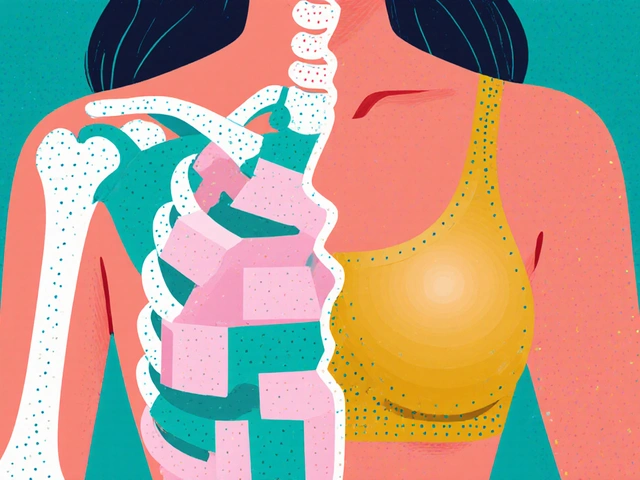
The damage extends far beyond weight. Ninety-seven percent of eating disorder patients have at least one physical complication. For anorexia, this includes bradycardia (slow heart rate), osteoporosis, and electrolyte imbalances that can lead to cardiac arrest. Refeeding syndrome-a potentially fatal shift in fluids and electrolytes-is a critical risk during the initial stages of nutritional rehabilitation, occurring in 10-20% of severe anorexia cases if not managed carefully.
Mental health comorbidities are also rampant. Depression rates are highest in bulimia nervosa (76.3%), followed by BED (65.5%) and anorexia nervosa (49.5%). Substance use disorders affect up to half of all eating disorder patients, with rates five times higher than the general population. In bulimia, alcohol misuse is particularly common. Suicide risk is alarmingly high: patients with anorexia are 18 times more likely to attempt suicide than those without eating disorders.
Evidence-Based Treatments That Work
Not all therapy is created equal. Generic counseling often fails because it doesn’t address the specific neurobiological and behavioral mechanisms of eating disorders. Evidence-based care relies on structured protocols with proven remission rates.
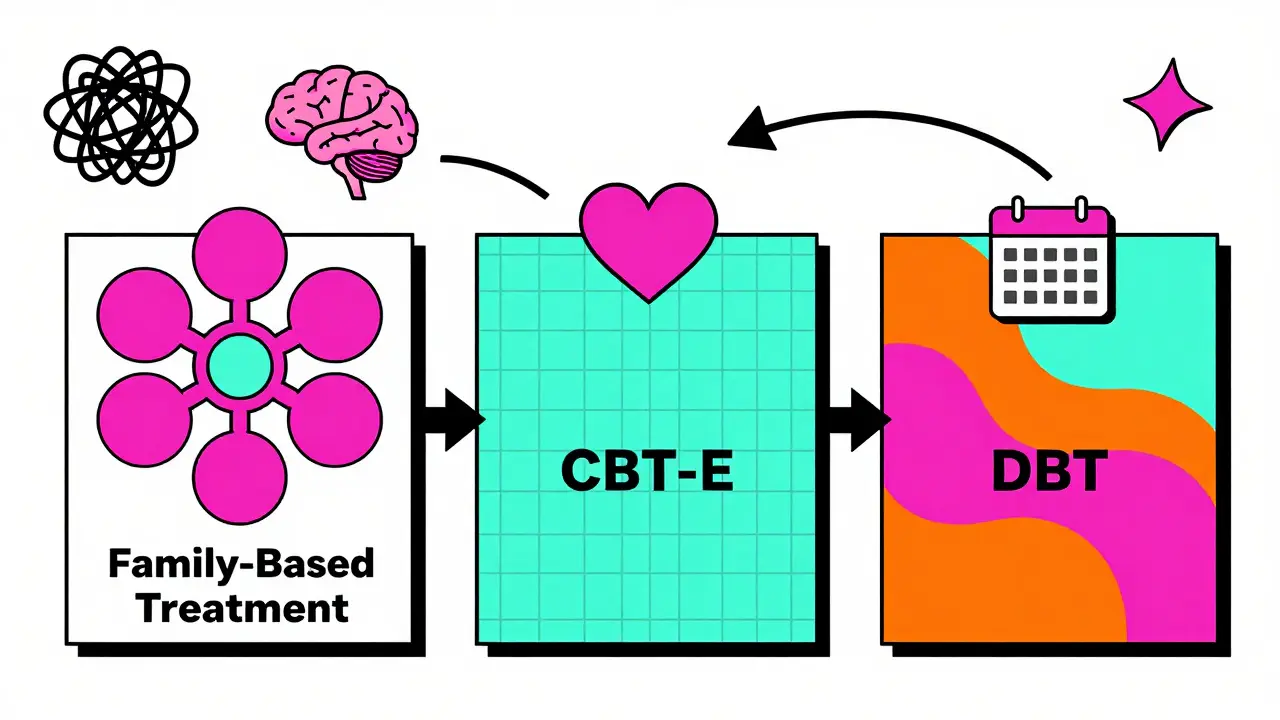
- Family-Based Treatment (FBT): Also known as the Maudsley Approach, FBT is the first-line intervention for adolescent anorexia nervosa. It empowers parents to take charge of refeeding initially. Studies show recovery rates of 40-50% after 12 months, compared to 20-30% with individual therapy alone.
- Enhanced Cognitive Behavioral Therapy (CBT-E): This is the gold standard for adult bulimia and BED. CBT-E is transdiagnostic, meaning it works across multiple diagnoses. A 2021 meta-analysis found 60-70% remission rates after 20 sessions. It focuses on maintaining regular eating patterns and challenging over-evaluation of shape and weight.
- Dialectical Behavior Therapy (DBT): Often used as an adjunct, DBT helps patients manage intense emotions and reduce self-harm behaviors. Many residential programs integrate DBT skills to help patients tolerate the distress of recovery.
Medication plays a limited but growing role. Until recently, no drugs were FDA-approved specifically for eating disorders. In 2023, lisdexamfetamine (Vyvanse) received approval for moderate-to-severe Binge Eating Disorder, showing a 50.9% remission rate in trials compared to 21.9% for placebo. Antidepressants like fluoxetine are sometimes used off-label for bulimia, but they are rarely effective for anorexia until some weight restoration has occurred.
Barriers to Accessing Care
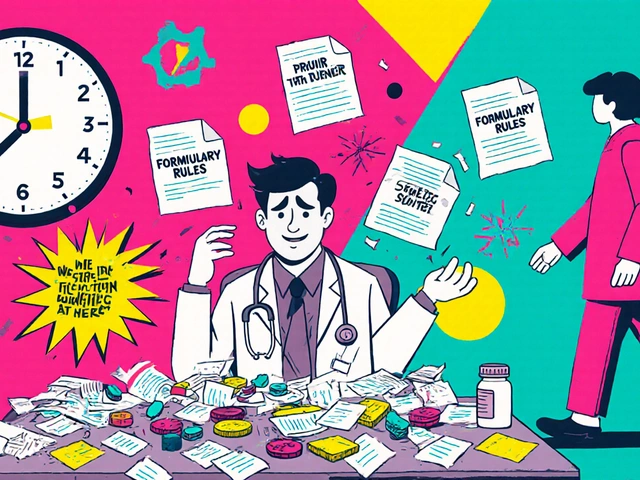
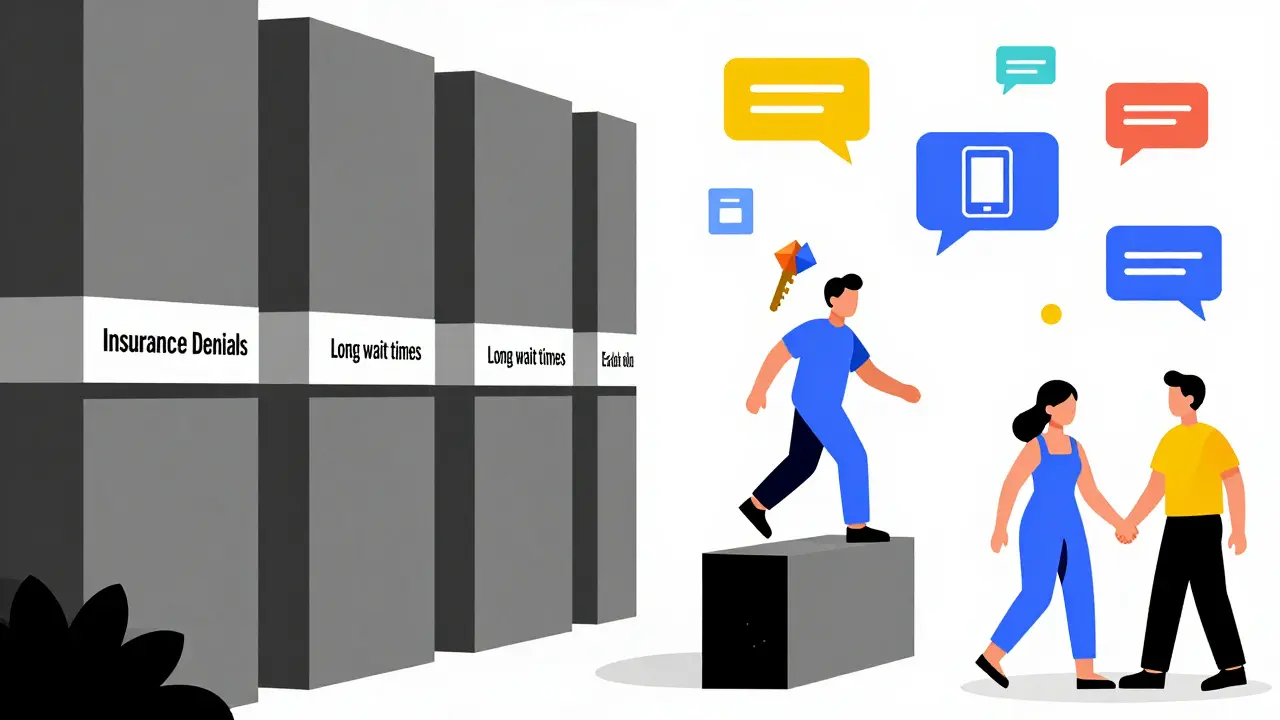
Knowing what works is one thing; getting access to it is another. The system is fraught with barriers. Only 27% of women who suffer from eating disorders by their 40s or 50s receive any treatment. Why? Insurance denials are the biggest culprit.
A 2022 survey by the National Eating Disorders Association (NEDA) found that 68% of respondents reported at least one insurance denial for treatment, with an average of 3.2 denials per person. The Mental Health Parity and Addiction Equity Act (MHPAEA) mandates equal coverage, yet enforcement is lagging. In 2023, the Department of Labor fined 17 health plans $3.2 million for inadequate coverage, but many families still fight legal battles to secure care.
Wait times are equally daunting. While guidelines suggest outpatient treatment should begin within two weeks, audits reveal average wait times of 68 days for outpatient care and 132 days for intensive programs. Specialized residential facilities are scarce; with only about 35 nationwide serving less than 0.004% of the affected population annually, demand vastly outstrips supply.
Navigating Your Path to Recovery
If you are ready to seek help, start with a comprehensive medical assessment. This should include vital signs, electrolyte panels, and an EKG to rule out immediate cardiac risks. From there, look for providers trained in specific modalities like CBT-E or FBT. Clinicians typically require 120-180 hours of specialized training to deliver these therapies competently.
Consider digital tools as supplements, not replacements. Apps like Recovery Record, used by over 150,000 patients, have shown a 32% greater symptom reduction than standard care in some studies. Telehealth is expanding access, predicted to increase availability by 40% by 2027, which is crucial for rural areas where only 22% of counties have a specialist.
Finally, build your support network. Recovery is lonely without community. Online forums and local support groups can provide validation, but ensure they promote pro-recovery messages rather than triggering content. Remember, early intervention matters: 65% of patients achieve full remission when treatment begins within three years of symptom onset.
What is the difference between anorexia and bulimia?
The primary difference lies in weight status and compensatory behaviors. Anorexia nervosa involves significantly low body weight and restrictive eating, whereas bulimia nervosa involves recurrent binge eating followed by purging or other compensatory acts, often while maintaining a normal or above-normal weight.
Is there medication for eating disorders?
Yes, but options are limited. Lisdexamfetamine (Vyvanse) was approved in 2023 specifically for Binge Eating Disorder. Antidepressants like SSRIs may be used off-label for bulimia or co-occurring depression, but they are generally ineffective for anorexia until weight restoration occurs.
Why do insurance companies deny eating disorder treatment?
Insurers often cite lack of "medical necessity" based on outdated BMI criteria or misinterpretation of parity laws. Despite the Mental Health Parity and Addiction Equity Act requiring equal coverage, many plans impose stricter utilization management on eating disorders than on physical health conditions.
What is the most effective therapy for bulimia?
Enhanced Cognitive Behavioral Therapy (CBT-E) is considered the gold standard. It addresses the underlying cognitive distortions about weight and shape and helps establish regular eating patterns, with remission rates of 60-70% in clinical trials.
Can eating disorders be cured?
While "cure" is a debated term, full remission is achievable. Early intervention significantly improves outcomes, with 65% of patients achieving full remission if treatment starts within three years of symptom onset. Recovery is a process that often requires long-term maintenance strategies.