Side Effect Probability Calculator
How Side Effect Detection Works
Clinical trials (like the average 381 patients in Phase 3 oncology trials) often miss rare side effects. Real-world data from millions of patients reveals risks that only become apparent at scale.
Results
Enter values and click "Calculate Side Effect Risk" to see results
Example: Rosiglitazone (diabetes drug) showed 43% higher heart attack risk in real-world data after approval. In clinical trials (381 patients), this risk was undetectable.
With 1 in 1,000 heart attack risk, a 381-person trial would expect 0.38 cases—too few to detect. In 1 million patients, we'd expect 1,000 cases.
When a new drug hits the market, you might think the FDA has already figured out every possible side effect. But here’s the truth: clinical trial data and real-world side effects tell very different stories. One is a controlled snapshot. The other is the messy, unpredictable reality millions of people live every day. And when they don’t match, lives can be at stake.
What Clinical Trials Actually Show
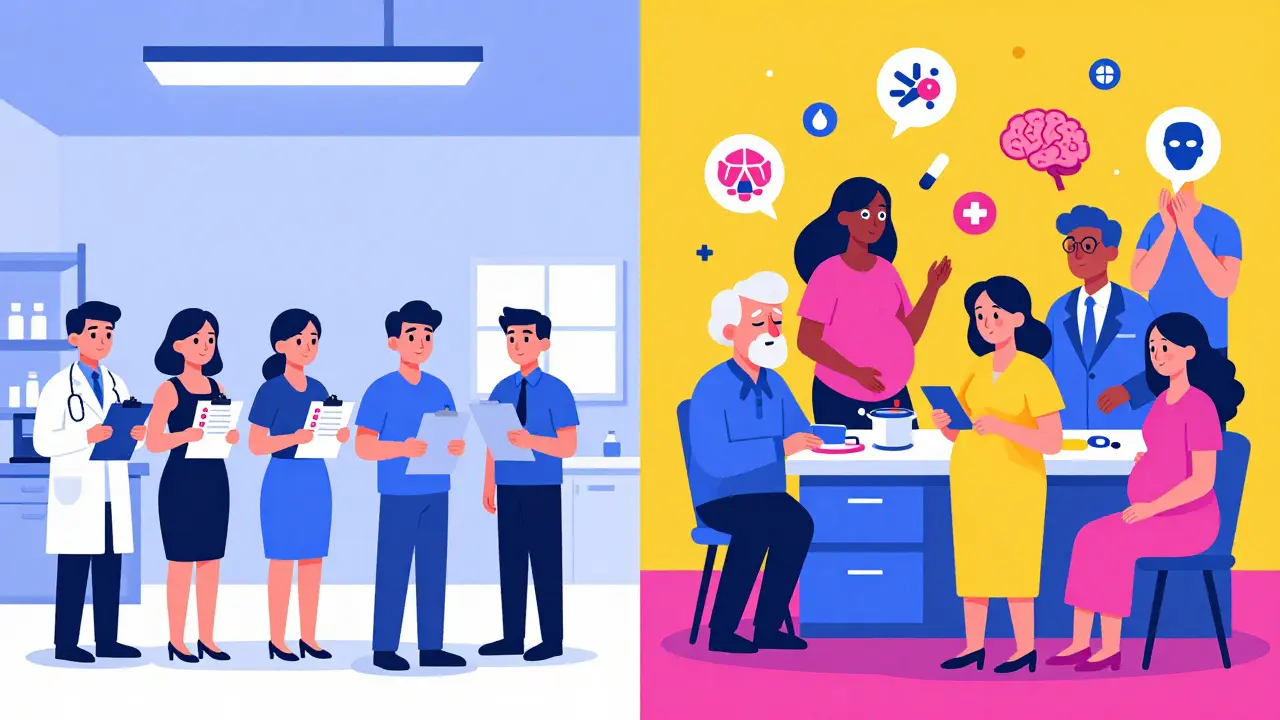
Clinical trials are designed to answer one question: Does this drug work under ideal conditions? To do that, they tightly control everything-age, health status, lifestyle, even how often you show up for check-ups. Participants are carefully selected. People with other illnesses, pregnant women, or those on multiple medications are often excluded. The goal is to isolate the drug’s effect, not to mimic real life. Side effects are tracked using a standardized system called CTCAE (Common Terminology Criteria for Adverse Events). It lists 790 specific reactions, from mild nausea to death, with clear severity levels. Doctors record symptoms during scheduled visits-usually weekly at first, then monthly. If a patient doesn’t show up, the event might not get logged. And if a side effect happens at 2 a.m. at home? It’s often never reported. The numbers tell the story. The median Phase 3 oncology trial includes just 381 people. That’s not enough to catch side effects that happen in 1 in 1,000 or 1 in 10,000 patients. For example, the diabetes drug rosiglitazone was approved in 1999. Years later, real-world data showed it raised heart attack risk by 43%. That signal never showed up in trials. Why? Too few people. Too short a time. Too clean an environment.What Real-World Data Reveals
Real-world side effect data comes from the wild. It’s pulled from emergency rooms, pharmacies, insurance claims, and electronic health records used by 9,500 U.S. hospitals. It includes people with diabetes, kidney disease, depression, or those taking five other drugs. It tracks side effects over years, not months. And it captures what happens when patients don’t follow the rules-missed doses, alcohol use, skipping appointments. The FDA’s Adverse Event Reporting System (FAERS) got over 2.1 million reports in 2022. That’s up from 1.4 million in 2018. But here’s the catch: experts estimate only 2-5% of actual adverse events are ever reported. Most patients don’t know they should report them. Most doctors don’t have time. Real-world data exposed the dangers of fluoroquinolone antibiotics. After analyzing 1.2 million patient records, regulators in Europe restricted their use in 2019 because of permanent nerve damage and tendon ruptures. That risk wasn’t clear in trials. It only became obvious after millions of prescriptions were filled. But real-world data isn’t perfect. It’s full of noise. A 2018 study suggested anticholinergic drugs increased dementia risk. Later, deeper analysis showed it wasn’t the drugs-it was the underlying conditions like chronic pain or depression that patients were being treated for. Real-world data sees correlation, but it doesn’t prove cause.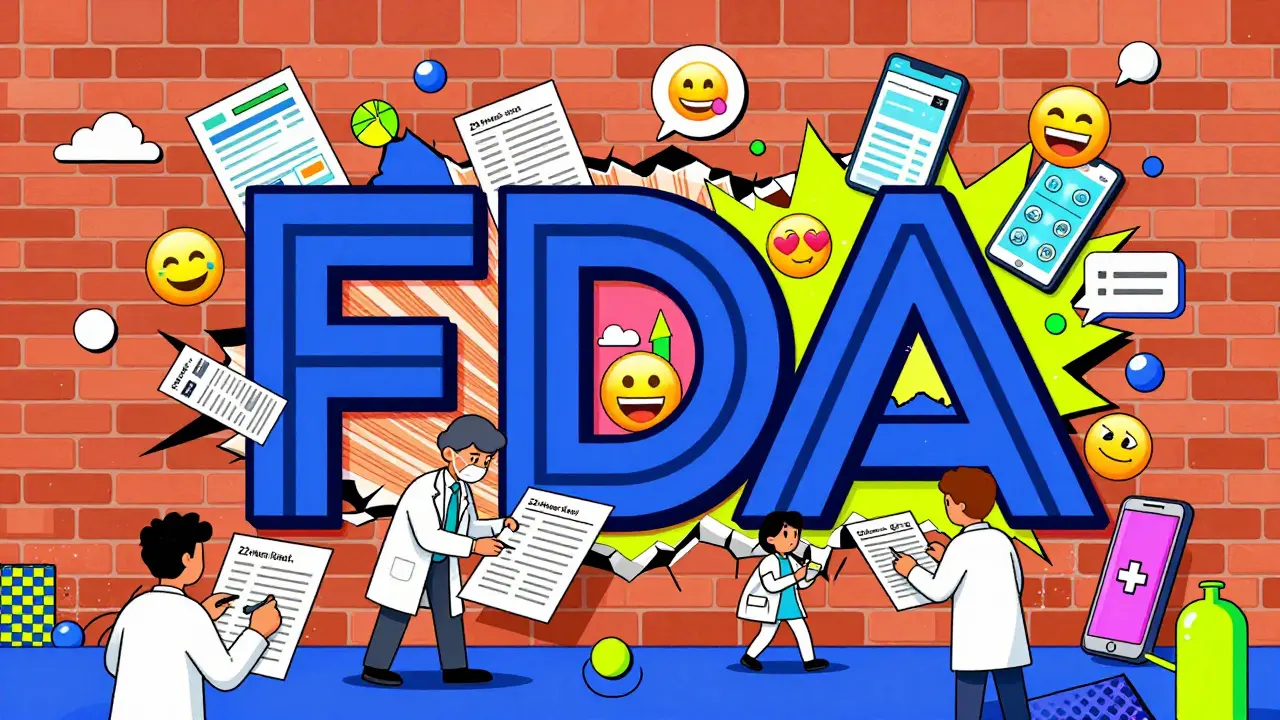
The Missing Side Effects
Patients know this better than anyone. A 2022 survey by the National Patient Advocate Foundation found that 63% of people experienced side effects not listed on their drug’s FDA-approved label. Over 40% of those were moderate to severe-enough to disrupt sleep, work, or daily routines. Pharmacists on Reddit’s r/Pharmacy community reported that 78% of them see side effects in practice that don’t match what’s in clinical trial reports. GLP-1 agonists for weight loss, for example, are labeled with nausea and vomiting. But patients report fatigue, brain fog, and dizziness-symptoms rarely captured in trials because they’re not part of the protocol. One patient using the MyTherapy app noticed she felt exhausted every evening, long after her clinic visit. Clinical trials only asked about fatigue during office hours. She reported it through the app. Her data was later included in a real-world study that showed immunotherapy patients had 27% higher fatigue rates than trial data suggested.Why Doctors Struggle to Use Both
Doctors aren’t trained to interpret real-world data. A 2023 study found only 38% of physicians could correctly understand real-world evidence about drug side effects without special training. They’re taught to trust clinical trials. But trials don’t show what happens to a 72-year-old with three chronic conditions taking six medications. And reporting is a nightmare. The American Medical Association found that only 12% of doctors consistently report side effects to FAERS. Why? It takes an average of 22 minutes per report. Most won’t do it. Meanwhile, the FDA’s Sentinel Initiative-a system that monitors 300 million patient records in near real-time-is catching signals 6-12 months faster than old methods. But it still takes 3-9 months to validate a signal. By then, thousands may have been exposed.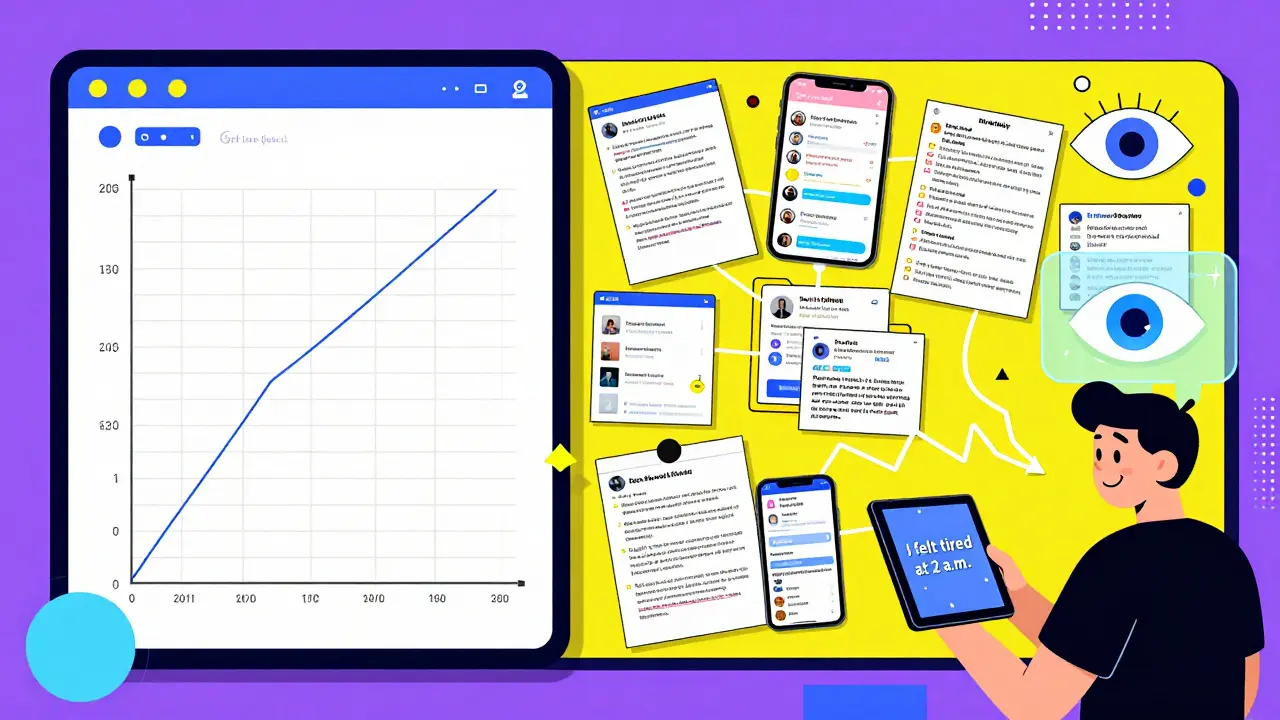
The Future: Hybrid Monitoring
The best path forward isn’t choosing one over the other. It’s using both together. The FDA now requires all new drug applications to include a plan for collecting real-world data after approval. In 2022, 67% of FDA approvals included real-world evidence in post-marketing requirements-up from 29% in 2017. Oncology leads this shift, with 42% of safety studies now using real-world data. But rare diseases? Only 18%. Big companies are catching on. Pfizer, Johnson & Johnson, and others now collect real-world data during late-stage trials. Apple’s Heart Study, with over 400,000 participants, proved mobile tech can capture side effects at trial scale. Google Health’s AI analyzed 216 million clinical notes and found 23% more drug-side effect links than traditional methods. But experts warn: real-world data won’t replace trials. It complements them. Trials tell you if a drug works. Real-world data tells you how it works in the real world-with all its messiness.What This Means for You
If you’re taking a new medication, don’t assume the label tells you everything. Side effects listed are the common ones seen in small, healthy groups. The rare ones? The ones that show up after six months? The ones that hit when you’re stressed or sleep-deprived? Those come later. Track your own symptoms. Use apps. Talk to your pharmacist. If something feels off-fatigue, brain fog, unusual pain-don’t dismiss it. Report it. Even if it’s not on the label. The system isn’t perfect. But awareness is the first step.Why aren’t all side effects listed on drug labels?
Drug labels only include side effects seen in clinical trials, which involve small, carefully selected groups over short periods. Rare side effects-those affecting fewer than 1 in 1,000 people-often don’t show up until millions of doses are given out. Real-world data fills this gap, but it takes time to confirm.
Can real-world data replace clinical trials?
No. Clinical trials are still the gold standard for proving a drug works and identifying common risks. Real-world data can’t control variables like trials can. But it’s essential for spotting rare, long-term, or unexpected side effects that trials miss. The two systems work best together.
How long does it take for a side effect to be added to a drug label?
It can take years. After a real-world signal is detected, regulators need to validate it using multiple data sources, rule out confounding factors, and assess risk versus benefit. This process can take 3-5 years. For example, the heart failure risk with pioglitazone took 10 years of real-world data to confirm.
Why do patients report more side effects than doctors?
Patients experience side effects daily, often at home, and notice subtle changes like fatigue, brain fog, or mood shifts. Doctors only see them during brief visits and may miss non-life-threatening symptoms. Plus, patients using apps or tracking tools report more accurately than relying on memory or clinic visits.
What’s being done to improve side effect detection?
The FDA’s Sentinel Initiative now monitors 300 million patient records in near real-time. AI tools are analyzing millions of clinical notes to find hidden patterns. Pharmaceutical companies are embedding real-world data collection into late-stage trials. Digital health apps are giving patients tools to report symptoms daily. These changes are making safety monitoring faster and more accurate.

Milad Jawabra
March 5, 2026 AT 07:58Raman Kapri
March 5, 2026 AT 16:14Tildi Fletes
March 5, 2026 AT 23:39Siri Elena
March 6, 2026 AT 13:10Richard Elric5111
March 7, 2026 AT 17:44Dean Jones
March 8, 2026 AT 18:22Betsy Silverman
March 10, 2026 AT 02:59Ivan Viktor
March 11, 2026 AT 07:12Zacharia Reda
March 11, 2026 AT 12:25Jeff Card
March 12, 2026 AT 15:33