Graves' Disease: Symptoms, Causes, and Treatment Options
When your immune system mistakenly attacks your thyroid, a small butterfly-shaped gland in your neck that controls metabolism. Also known as toxic diffuse goiter, it’s the most common cause of hyperthyroidism—when your body makes too much thyroid hormone. This isn’t just about feeling jittery or losing weight. Graves’ disease can mess with your heart, your sleep, your eyes, and even your mood.
What makes it different from other thyroid problems? It’s autoimmune. Your body creates thyroid-stimulating immunoglobulins, antibodies that trick your thyroid into overworking. These antibodies bind to the same receptors as TSH, the hormone that normally tells your thyroid to produce more T3 and T4. The result? Your thyroid runs on overdrive, even when it shouldn’t. Women are five to ten times more likely to get it than men, and it often shows up between ages 30 and 50. Stress, smoking, and family history all raise your risk.
One of the most visible signs is thyroid eye disease, a condition where inflammation swells tissues behind the eyes, causing bulging, redness, or double vision. Not everyone gets it, but if you do, it’s not just cosmetic—it can damage your vision. Other symptoms include rapid heartbeat, shaky hands, trouble sleeping, weight loss despite eating more, and skin that feels warm and moist. Some people even develop thick, red skin on their shins—a rare but telltale sign called pretibial myxedema.
Treatment isn’t one-size-fits-all. Some people start with antithyroid drugs, like methimazole or propylthiouracil, which slow hormone production. Others go straight to radioactive iodine, which shuts down part of the thyroid over time. Surgery to remove the gland is an option too, especially if you have a large goiter or can’t tolerate medication. But no matter which path you take, you’ll likely need lifelong monitoring. Even after treatment, your thyroid may go from overactive to underactive—so TSH levels stay a key part of your care.
What you won’t find in most guides is how much this condition ties into your daily life. It’s not just about pills. It’s about managing stress, quitting smoking, watching your iodine intake, and recognizing when your eyes need specialist care. The posts below cover what really matters: how thyroid ultrasound helps spot changes, why some people feel worse switching meds, how steroid treatments can help eye swelling, and what to do when your body doesn’t respond the way it should. You’ll see real stories behind the science—not just textbook definitions. This isn’t about guessing what’s wrong. It’s about knowing what works—and what doesn’t—when your immune system turns against you.
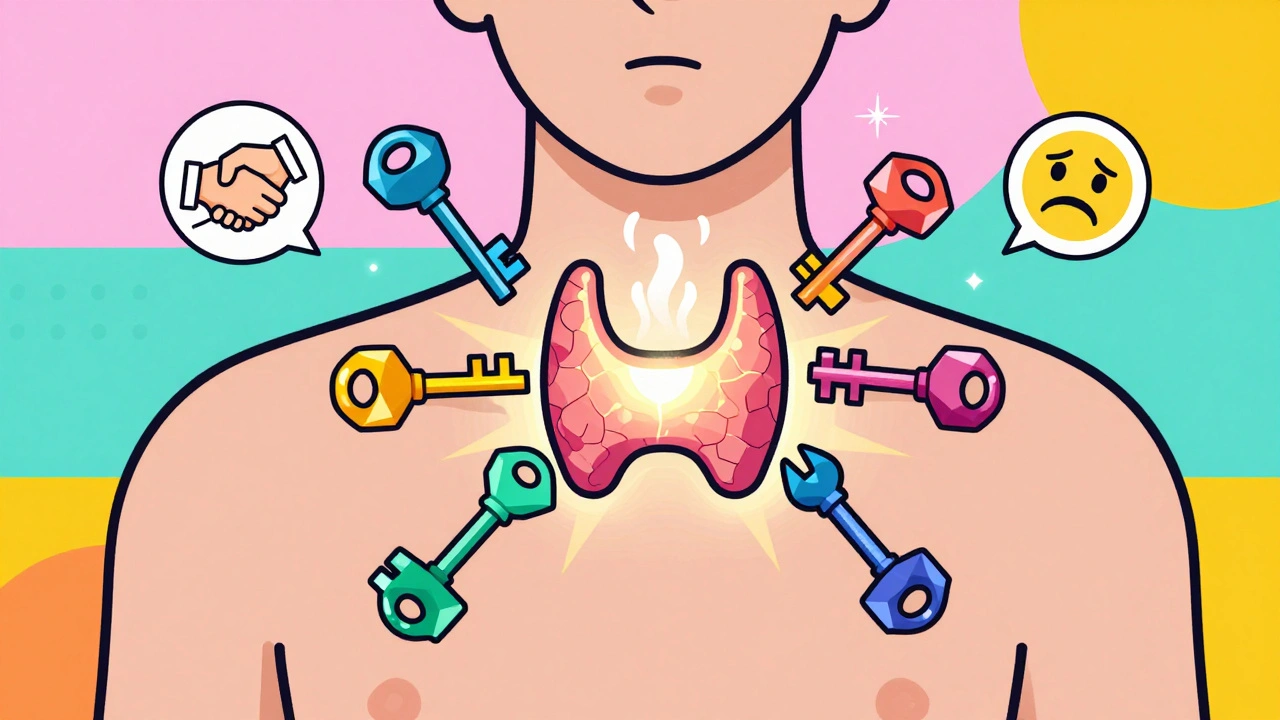
Graves' Disease: Understanding Autoimmune Hyperthyroidism and PTU Treatment
Graves' disease is an autoimmune disorder causing hyperthyroidism, with PTU as a key treatment during early pregnancy despite liver risks. Learn symptoms, treatment options, and what to expect long-term.