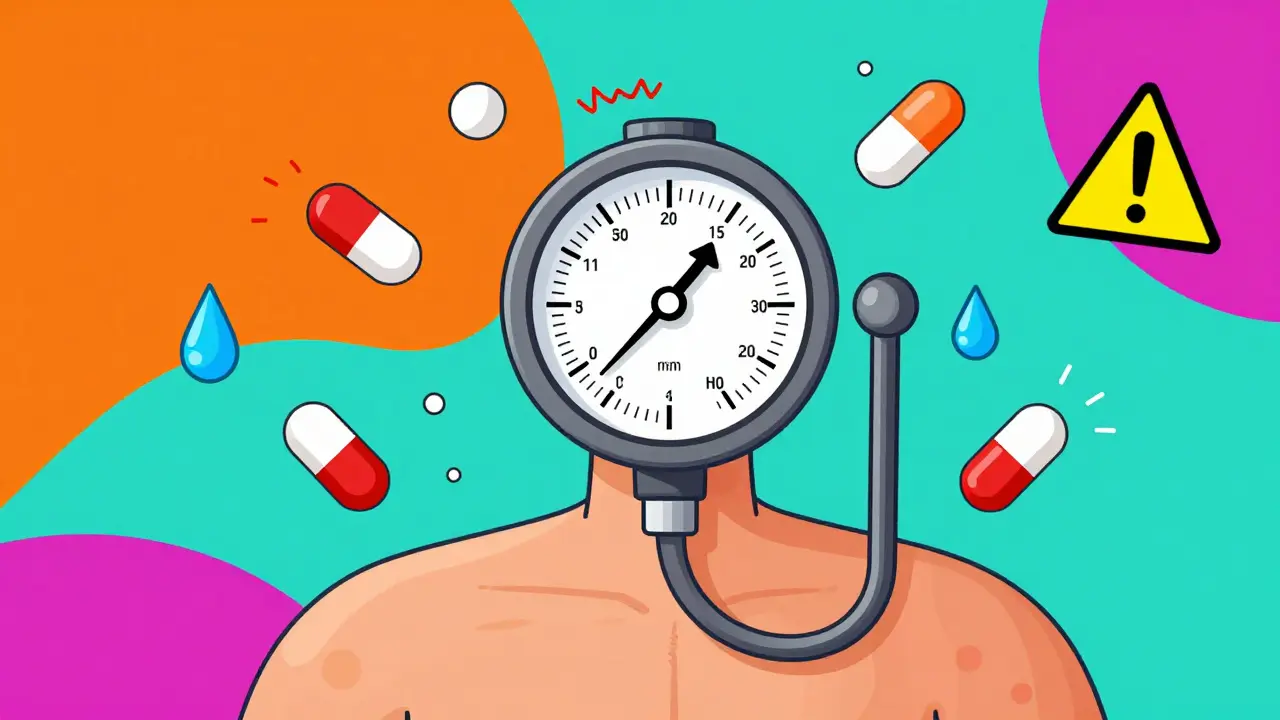
Drug-Induced Hypertension Risk Calculator
Medication Risk Assessment
Select medications you are currently taking to assess your risk of drug-induced hypertension.
Medications
Many people assume high blood pressure is just a result of age, weight, or genetics. But what if it’s not your lifestyle causing it - but the very pills you’re taking to feel better? Drug-induced hypertension is more common than you think, affecting 15 to 20 million Americans every year. And in many cases, it’s completely reversible - if you catch it early.
It’s not just prescription drugs. Over-the-counter painkillers, cold medicines, even herbal supplements can quietly push your blood pressure into dangerous territory. You might not feel a thing. No headaches, no dizziness. Just a slow, silent climb in your numbers - until your doctor says, "Your BP is up again."
Which Medications Are Most Likely to Raise Your Blood Pressure?
Not all drugs affect blood pressure the same way. Some cause fluid retention. Others tighten your blood vessels. Some overstimulate your nervous system. Here are the top offenders, backed by real data:
- NSAIDs (Ibuprofen, Naproxen): These are the most common culprits among OTC meds. Regular use of ibuprofen (400mg three times a day) can raise systolic BP by 5-10 mm Hg in people who already have high blood pressure. In one study, 12% of hypertensive patients saw a clinically significant spike after just two weeks.
- Corticosteroids (Prednisone): If you’re on long-term steroids for arthritis, asthma, or autoimmune disease, your risk jumps dramatically. At doses over 20 mg/day for more than four weeks, up to 60% of patients develop hypertension. Some see a 15 mm Hg rise in systolic pressure within 24 hours.
- Antidepressants (Venlafaxine, Duloxetine): SNRIs like Effexor can increase blood pressure by stimulating norepinephrine. At doses above 150 mg/day, 8-15% of users see noticeable rises. The higher the dose, the greater the risk.
- Decongestants (Pseudoephedrine, Phenylephrine): Found in most cold and sinus meds, these cause immediate vasoconstriction. A single 60 mg dose of pseudoephedrine can spike systolic BP by 5-10 mm Hg - and keep it elevated for up to 12 hours.
- ADHD Medications (Adderall, Ritalin): Stimulants raise heart rate and constrict arteries. Dextroamphetamine causes hypertension in nearly 25% of users, especially at higher doses.
- Erythropoietin (Procrit): Used for anemia, especially in kidney patients, this drug thickens the blood and increases resistance in vessels. 20-30% of users develop new or worsened hypertension within weeks to months.
- HIV Meds (HAART): Antiretrovirals can trigger hypertension in about 18% of patients, especially those over 65 or already borderline hypertensive.
And here’s the kicker: many people don’t even realize these are risks. A 2023 survey found that only 22% of primary care doctors routinely ask hypertensive patients about NSAID or decongestant use.
How These Drugs Actually Raise Blood Pressure
It’s not magic. It’s physiology.
NSAIDs like ibuprofen block enzymes that help your kidneys flush out sodium and water. Without them, fluid builds up. Your blood volume goes up. Your pressure follows. Studies show ibuprofen can reduce kidney blood flow by 15-20% within two hours.
Corticosteroids mimic aldosterone - the hormone that tells your body to hold onto salt. At 30 mg/day of prednisone, plasma volume increases by about 10% in just three days. That’s like adding a full liter of fluid to your bloodstream.
Decongestants? They activate alpha receptors in your arteries, making them contract. That’s why your nose clears - but your blood pressure spikes. One study measured a 25-30% increase in vascular resistance within an hour of taking pseudoephedrine.
Antidepressants like venlafaxine prevent your brain from reabsorbing norepinephrine. That means more of it hangs around, keeping your heart racing and your vessels tight. At 225 mg/day, plasma norepinephrine levels jump 300-400%.
These aren’t side effects you can ignore. They’re direct, measurable physiological changes - and they add up over time.
How to Monitor for Drug-Induced Hypertension
Early detection saves lives. But you can’t wait for symptoms. Most people feel nothing until their BP is dangerously high.
The American Heart Association recommends this monitoring plan:
- Baseline before starting: Get your BP checked before beginning any new medication that could affect it - even if you’re healthy.
- Check at 1-2 weeks: Especially for NSAIDs, steroids, or antidepressants. This is when changes often begin.
- Check again at 4-6 weeks: If your BP is stable, continue quarterly checks.
- Home monitoring: For high-risk patients, take readings twice daily for 7 days after starting or changing a dose. Use the average of days 2-7.
- Use ABPM if needed: Ambulatory blood pressure monitoring (wearing a device for 24 hours) is the gold standard for people with suspected drug-induced hypertension. A daytime average above 135 mm Hg confirms it.
For steroid users, check your BP daily for the first month. Pay attention to orthostatic changes - if your BP drops more than 20/10 mm Hg when standing, that’s a red flag for fluid shifts and possible volume overload.
What to Do If Your BP Rises from Medication
Don’t panic. Don’t stop cold turkey. But do act.
The first step is always medication review. In 60-70% of NSAID cases, simply switching to acetaminophen (up to 3,000 mg/day) or celecoxib brings BP back to normal within 2-4 weeks. Celecoxib raises BP by only 2.4 mm Hg on average - less than half the effect of ibuprofen.
If you can’t stop the drug - say, you need prednisone for lupus - then you need treatment for the high BP. But not just any treatment.
Here’s what works:
- Calcium channel blockers (like amlodipine): First-line choice. They relax blood vessels directly - perfect for vasoconstriction-induced hypertension. Response rate: 72%.
- Thiazide diuretics (like hydrochlorothiazide): Help flush excess fluid. Good for steroid- or NSAID-induced cases.
- Combination therapy: Needed in 35-45% of cases. Often a calcium blocker + diuretic.
Here’s what doesn’t work well:
- Beta-blockers: They don’t fix vasoconstriction. Only 45% of patients respond. They’re not recommended as first-line for drug-induced cases.
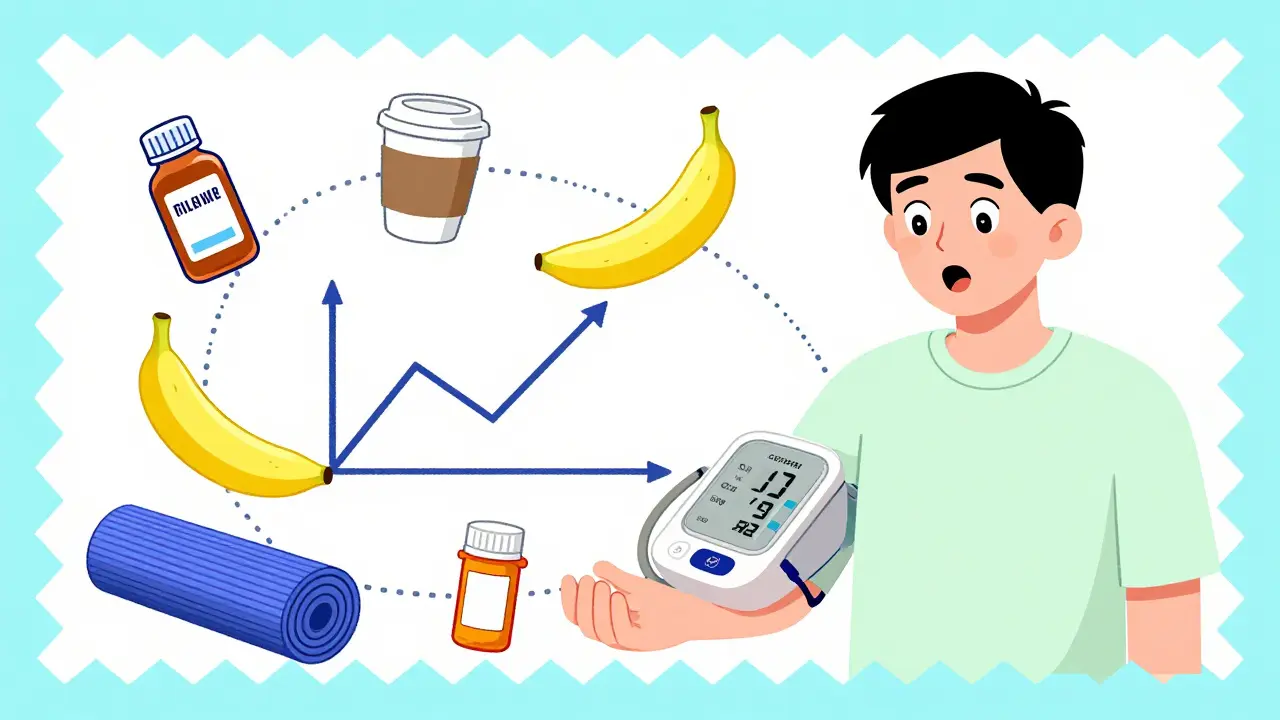
And don’t forget lifestyle tweaks. Reducing sodium to under 1,500 mg/day and boosting potassium to 2,500-3,500 mg/day (through foods like bananas, spinach, sweet potatoes) can drop BP by 5-8 mm Hg. Regular walking - 150 minutes a week - helps too.
Why Doctors Miss This - And What You Can Do
Here’s the uncomfortable truth: doctors often don’t ask. A Reddit thread with 287 comments from people with drug-induced hypertension found that 68% were never warned about NSAID risks. One woman said she took ibuprofen daily for 8 years - until her BP hit 190/110. She had no idea.
On Healthgrades, 32% of reviews mentioned frustration over delayed diagnosis. It took an average of 8.7 months to connect the dots.
But there are success stories. One Zocdoc review from January 2023 said: "My doctor caught that my sinus med was causing 160/100 readings. Switched me to a non-decongestant version. My BP normalized in 3 weeks."
Here’s what you can do right now:
- Make a full list of everything you take - prescriptions, OTCs, supplements, herbal teas.
- Bring it to every appointment. Even if you think it’s "just a cold pill."
- Ask: "Could any of these raise my blood pressure?"
- If you’re on steroids, antidepressants, or NSAIDs long-term, insist on regular BP checks - don’t wait for symptoms.
St. John’s Wort, for example, is a popular herbal antidepressant. But it can raise BP too - and most people have no idea.
The Future: Better Tools, Better Awareness
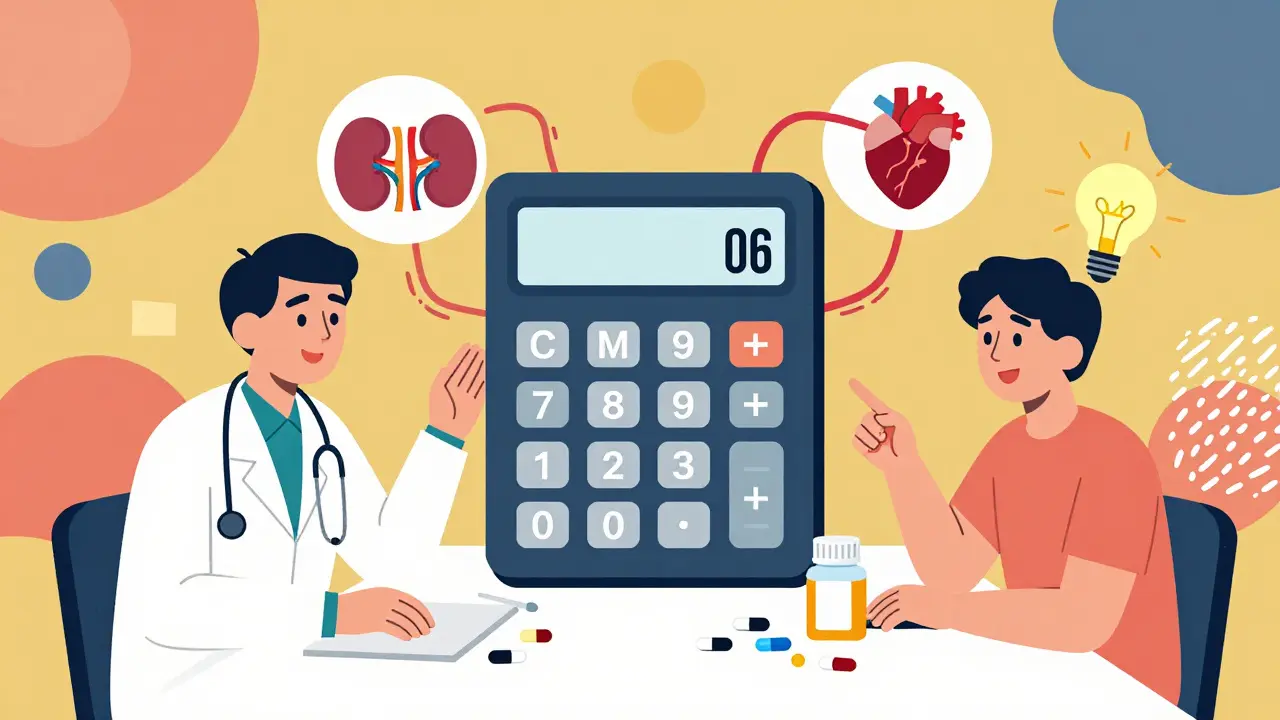
Change is coming. In June 2023, the American College of Cardiology launched a free online Drug-Induced Hypertension Calculator that lets doctors plug in a patient’s meds and get a risk score.
The FDA now requires stronger warnings on NSAID labels. The European Medicines Agency updated corticosteroid guidelines in 2023. And the NIH is funding a major trial - MED-BP - testing pharmacist-led medication reviews in 45 clinics. Early results show a 28% drop in uncontrolled hypertension among patients who got this intervention.
But until these tools are everywhere, the most powerful thing you have is your own awareness. You’re not just a patient. You’re your own best advocate.
When to Call Your Doctor
Call your provider if:
- Your BP readings are consistently above 130/80 mm Hg after starting a new medication.
- You’re on a high-risk drug (steroids, antidepressants, decongestants) and your BP hasn’t been checked in over 6 weeks.
- You feel dizzy, have headaches, or notice swelling in your ankles - especially if you’re on NSAIDs or steroids.
- You’ve been told you have "resistant hypertension" - meaning your BP won’t go down despite multiple meds. Drug-induced causes are often the missing piece.
Don’t wait. Don’t assume it’s "just stress." Your blood pressure doesn’t lie - and neither should your meds.



Dayanara Villafuerte
January 17, 2026 AT 17:47Andrew Qu
January 18, 2026 AT 16:00Zoe Brooks
January 18, 2026 AT 23:43My BP was 142/90. I stopped the ibuprofen. Three weeks later? 118/76. No meds. No diet change. Just stopped the silent saboteur.
Also, St. John’s Wort? Yeah, I took that for "anxiety" - turns out it’s basically a chemical middle finger to your vascular system. Who knew?
Kristin Dailey
January 20, 2026 AT 18:55Aysha Siera
January 22, 2026 AT 09:12Robert Davis
January 23, 2026 AT 09:36So I stopped the meds. Went to a functional medicine doctor. BP normalized in 11 days. No yoga needed.
Nishant Sonuley
January 25, 2026 AT 08:39Robert Cassidy
January 25, 2026 AT 23:11Naomi Keyes
January 26, 2026 AT 09:07Jodi Harding
January 27, 2026 AT 13:35