Category: Health and Wellness - Page 2
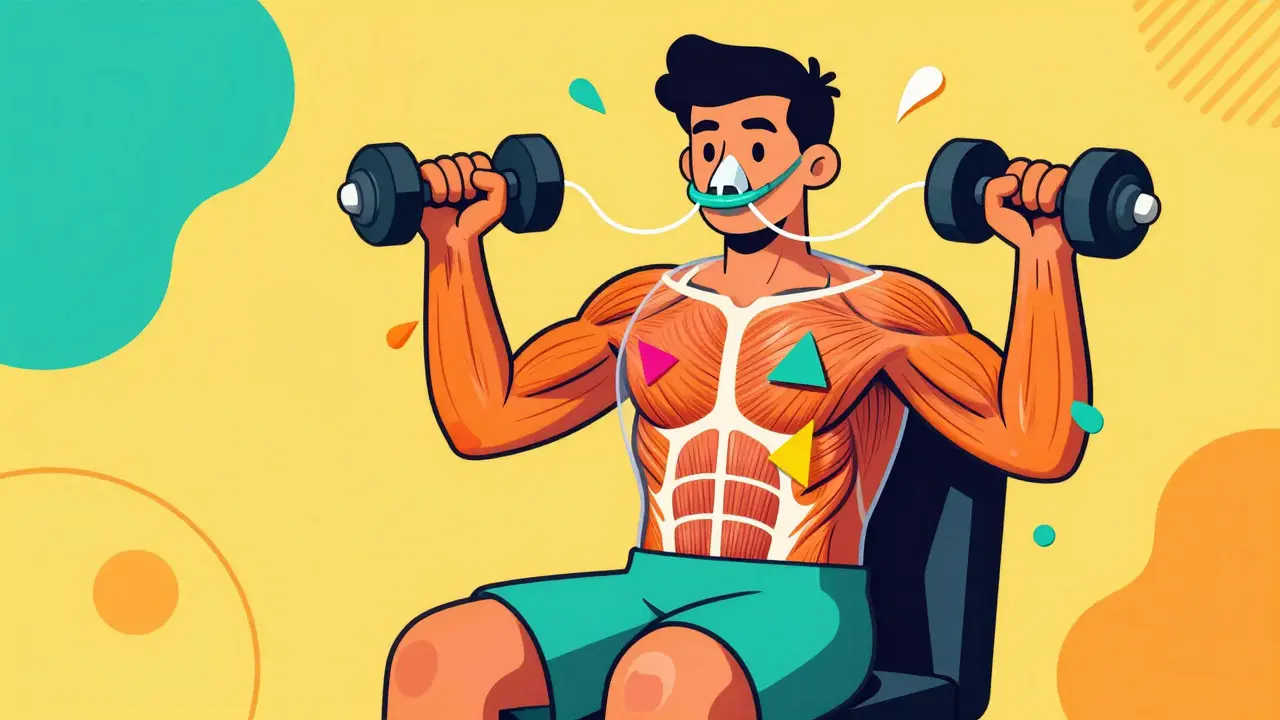
Sarcopenia in COPD: How Nutrition and Resistance Training Can Improve Survival and Daily Function
Sarcopenia in COPD accelerates muscle loss, increasing hospitalizations and death risk. Learn how targeted nutrition (1.2-1.5g protein/kg/day) and modified resistance training can improve strength, mobility, and survival.
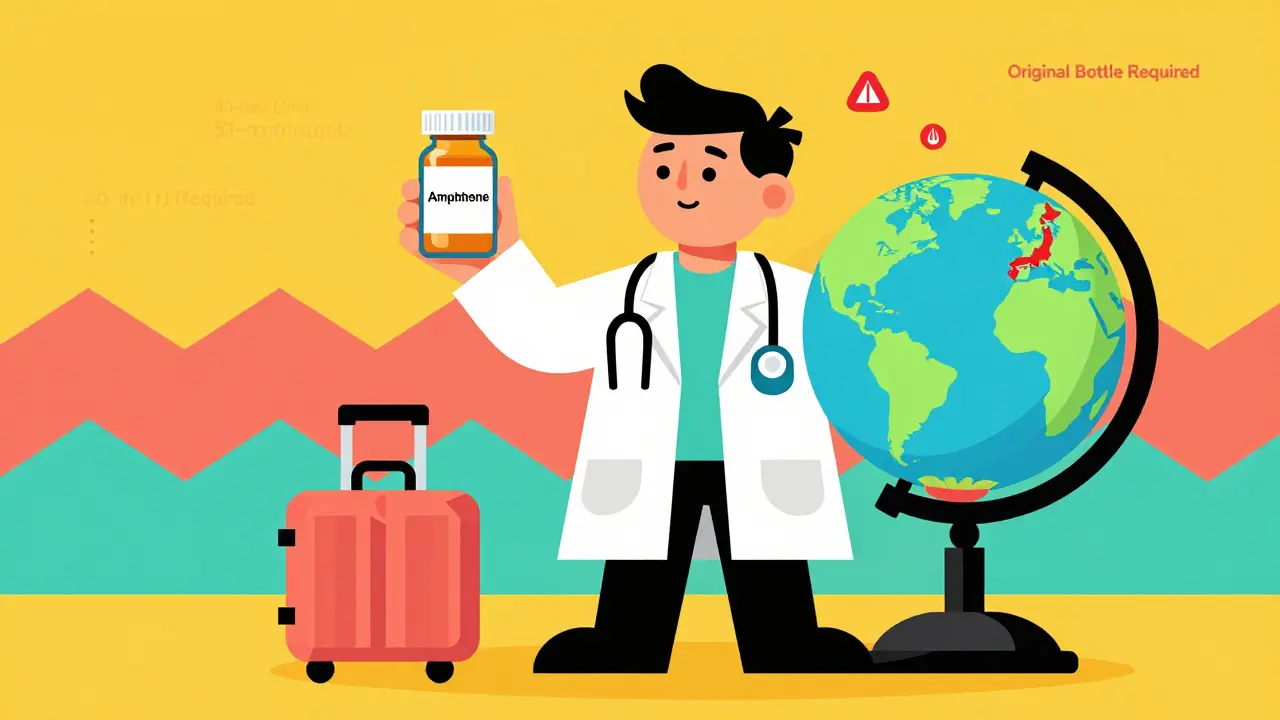
Doctor's Letter for Controlled Substances During International Travel: What You Need to Know
Traveling with controlled substances requires a doctor's letter to avoid detention or legal trouble abroad. Learn what must be included, which countries have strict rules, and how to prepare before you fly.
How Patients Can Prevent Medication Errors and Stay Safe
Patients play a vital role in preventing medication errors. Learn the seven proven actions you can take today to stay safe, reduce harm, and become your own best advocate in healthcare.
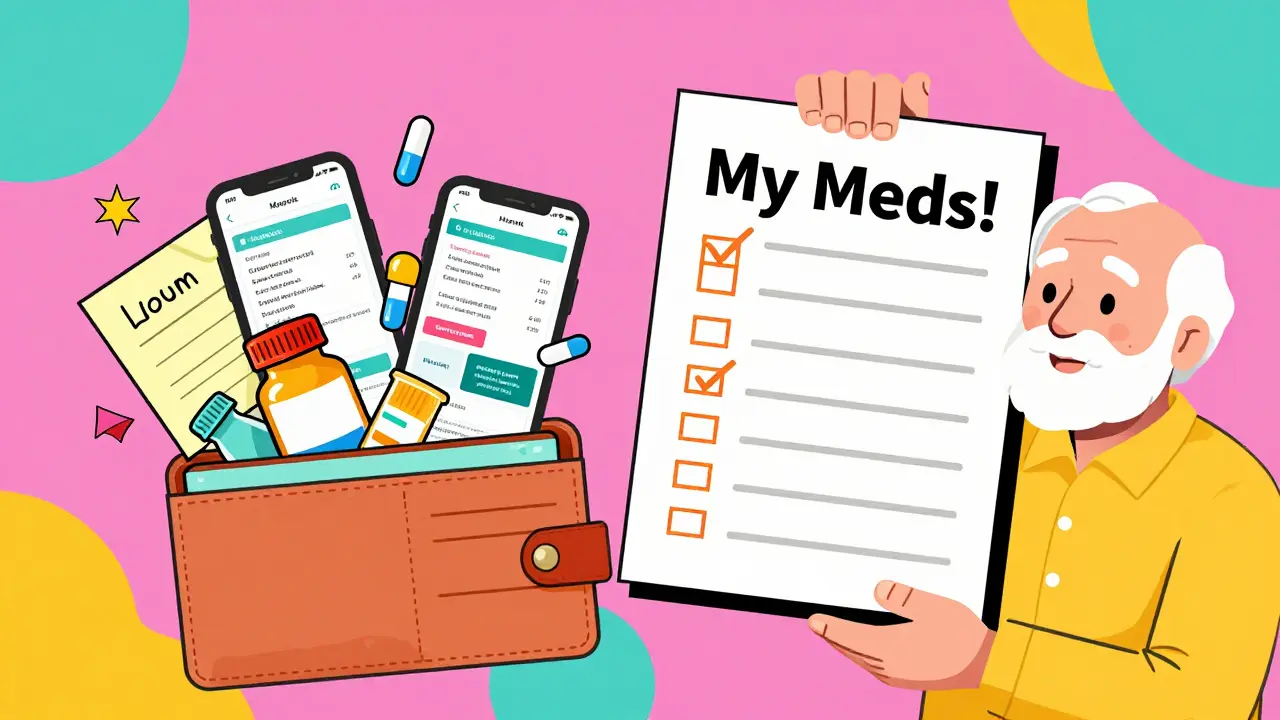
How to Share a Complete Medication List to Prevent Dangerous Drug Interactions
Sharing a complete, up-to-date medication list prevents deadly drug interactions. Learn exactly what to include, how to update it, and how to make sure your doctors see it - before it's too late.
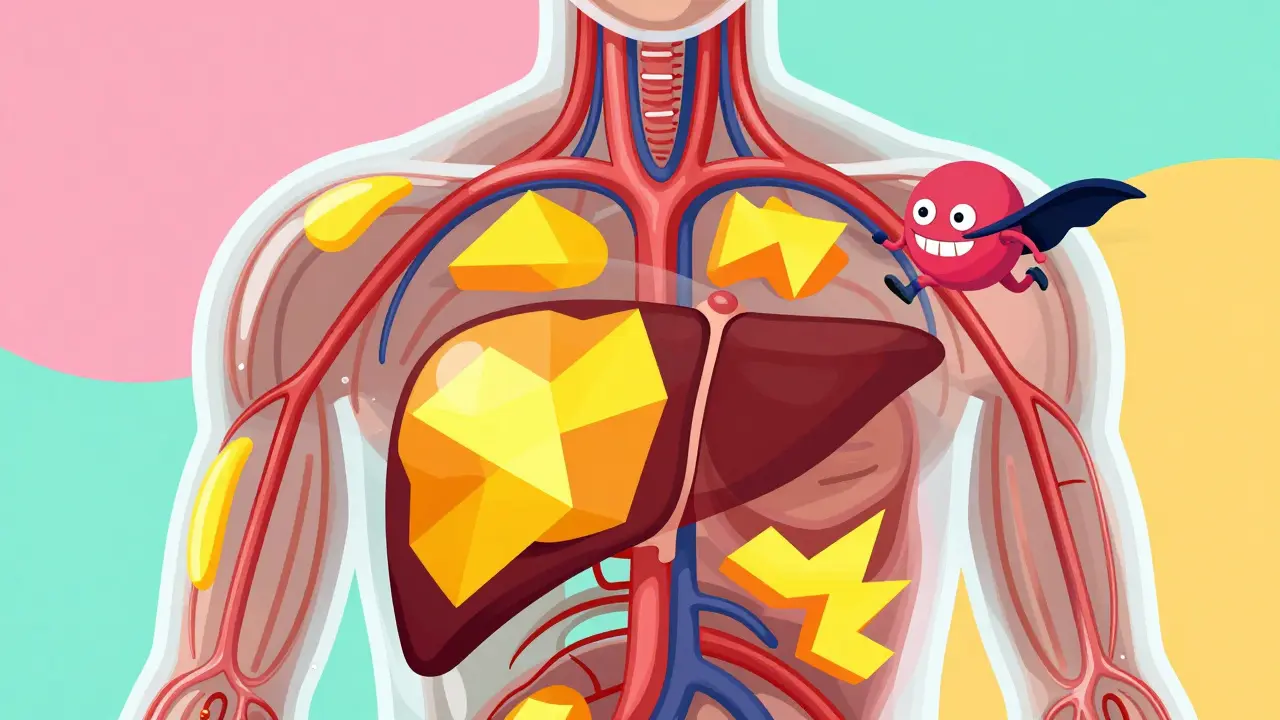
High Cholesterol: What You Need to Know About Hypercholesterolemia
High cholesterol is silent, deadly, and treatable. Learn what hypercholesterolemia really means, how genetics and lifestyle play a role, and what treatments actually work-backed by the latest medical evidence.
Antibiotics and Myasthenia Gravis: What You Need to Know About Neuromuscular Weakness Risks
Certain antibiotics can worsen muscle weakness in myasthenia gravis patients. Learn which drugs are risky, which are safe, and how to avoid dangerous interactions without delaying life-saving infection treatment.
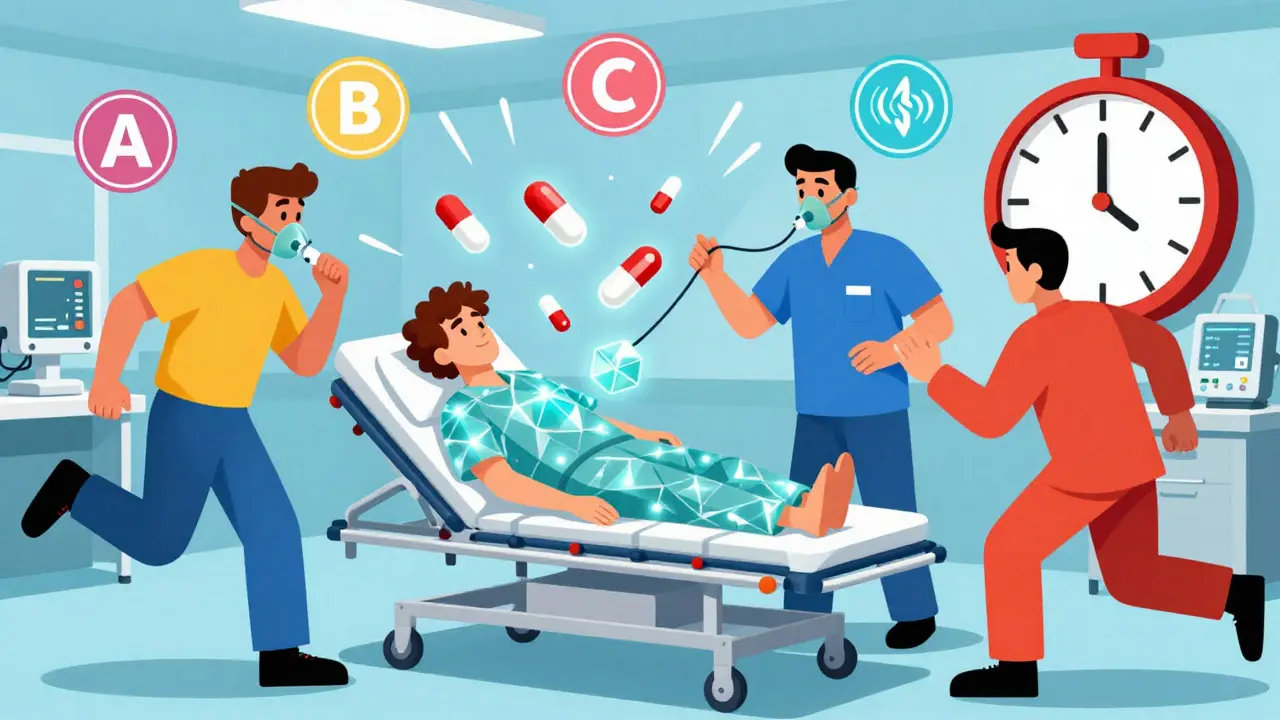
Benzodiazepine Overdose: Emergency Treatment and Monitoring
Benzodiazepine overdose rarely kills alone but becomes deadly when mixed with opioids or alcohol. Emergency treatment focuses on airway support, monitoring, and avoiding risky interventions like flumazenil. Observation and screening for co-ingestants are critical.
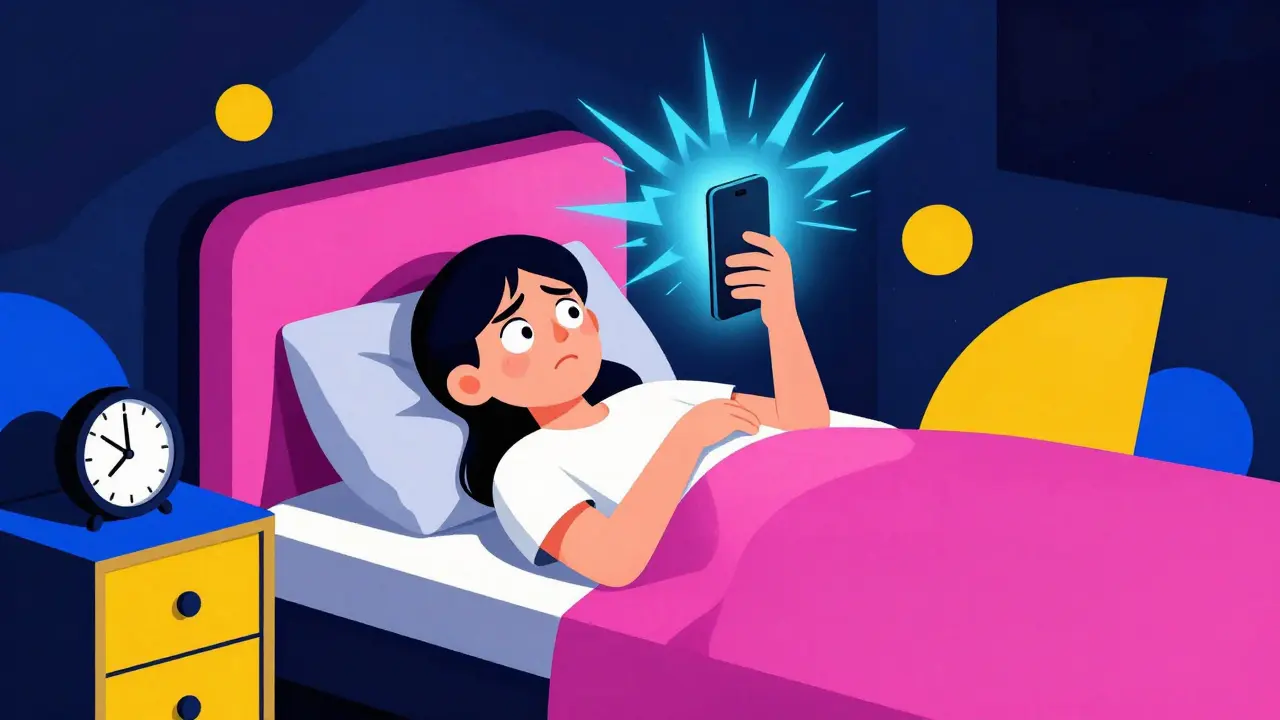
Blue Light and Sleep: How Screen Time Limits Improve Rest
Blue light from screens at night suppresses melatonin and delays sleep. Limiting screen time to 90 minutes before bed improves sleep onset, duration, and quality. Simple changes like using Night Shift, dimming lights, and avoiding devices can make a big difference.
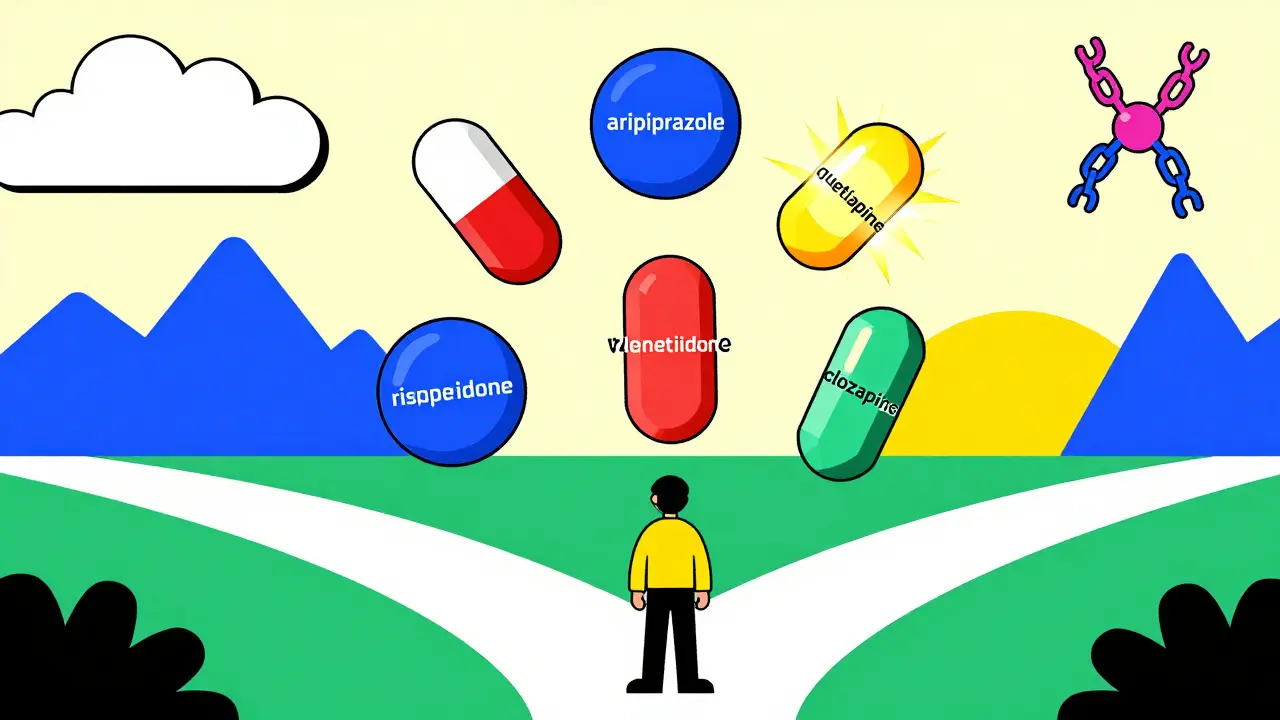
Schizophrenia: Understanding Antipsychotic Medications and Atypical Agents
Antipsychotic medications are essential for managing schizophrenia, but not all are the same. Learn how first- and second-generation drugs compare, why clozapine is reserved for treatment-resistant cases, and what newer options are emerging.

Ginkgo Biloba and Blood Thinners: What You Need to Know Before Taking Both
Ginkgo biloba may increase bleeding risk when taken with blood thinners like warfarin, aspirin, or clopidogrel. While evidence is mixed, experts recommend caution and consulting your doctor before combining them.
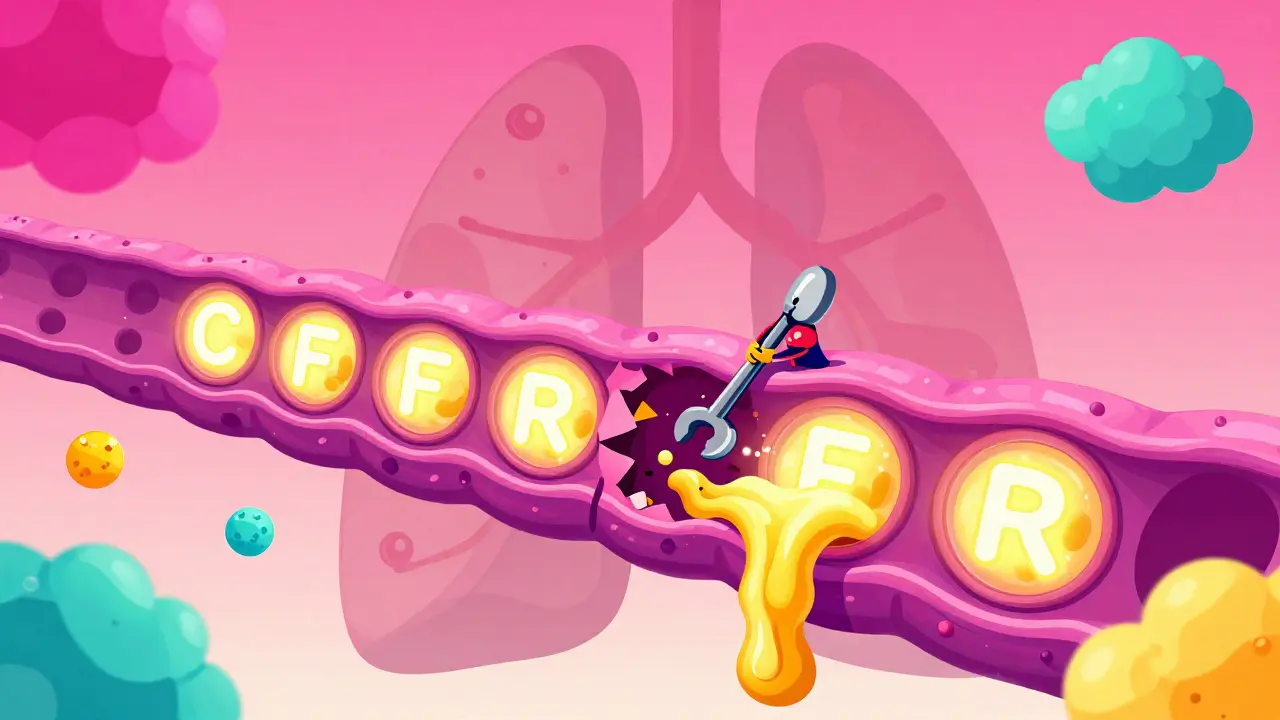
Cystic Fibrosis: Genetic Respiratory Disease and New Therapies
Cystic fibrosis is a genetic respiratory disease that thickens mucus, damaging lungs and organs. New CFTR modulator therapies like Trikafta have transformed survival rates, but access and cost remain major barriers globally.
How to Reduce Medication Risks with Simple Lifestyle Changes
Simple lifestyle changes like walking, eating less salt, sleeping better, and quitting smoking can reduce medication risks, lower drug doses, and improve health-without replacing prescribed treatments. Evidence shows these habits work alongside meds to prevent side effects and hospital visits.